“`html
Debt Payoff Plan: Step by Step Visual Guide
⏱️ 8 min read · Last updated: 2026
- Typical payoff plan spans 24-36 months with consistent payments.
- Sample monthly allocation: $300 towards smallest debt plus minimums.
- Using a payoff tracker template helps visualize daily progress.
- Amortization schedule clarifies interest and principal over time.
- Debt snowball method often motivates by quick wins.
A few years back, I was buried under a mountain of student loans and credit card debts. Each month, I juggled payments, never seeing the end in sight. That’s when I stumbled upon a debt payoff plan that was a game changer: a visual, step-by-step approach.
The real magic lies in the details. A debt payoff plan is not just about throwing money at your debts. It’s about strategic payment allocation, using tools like a debt payoff spreadsheet and a payoff tracker template to maintain focus.
How Do I Build a Debt Payoff Plan I Can Actually Follow?
A debt payoff plan that sticks begins with listing all debts in a debt payoff spreadsheet. Arrange these from smallest to largest balance, regardless of interest rates. This method, known as the debt snowball, prioritizes quick victories to maintain motivation.
- Step 1: List debts, noting balances, minimum payments, and interest rates.
- Step 2: Allocate extra funds to the smallest debt while paying minimums on others.
- Step 3: Use a payoff tracker template to visualize progress and remain motivated.
- Step 4: Once a debt is cleared, redirect its payment to the next smallest debt.
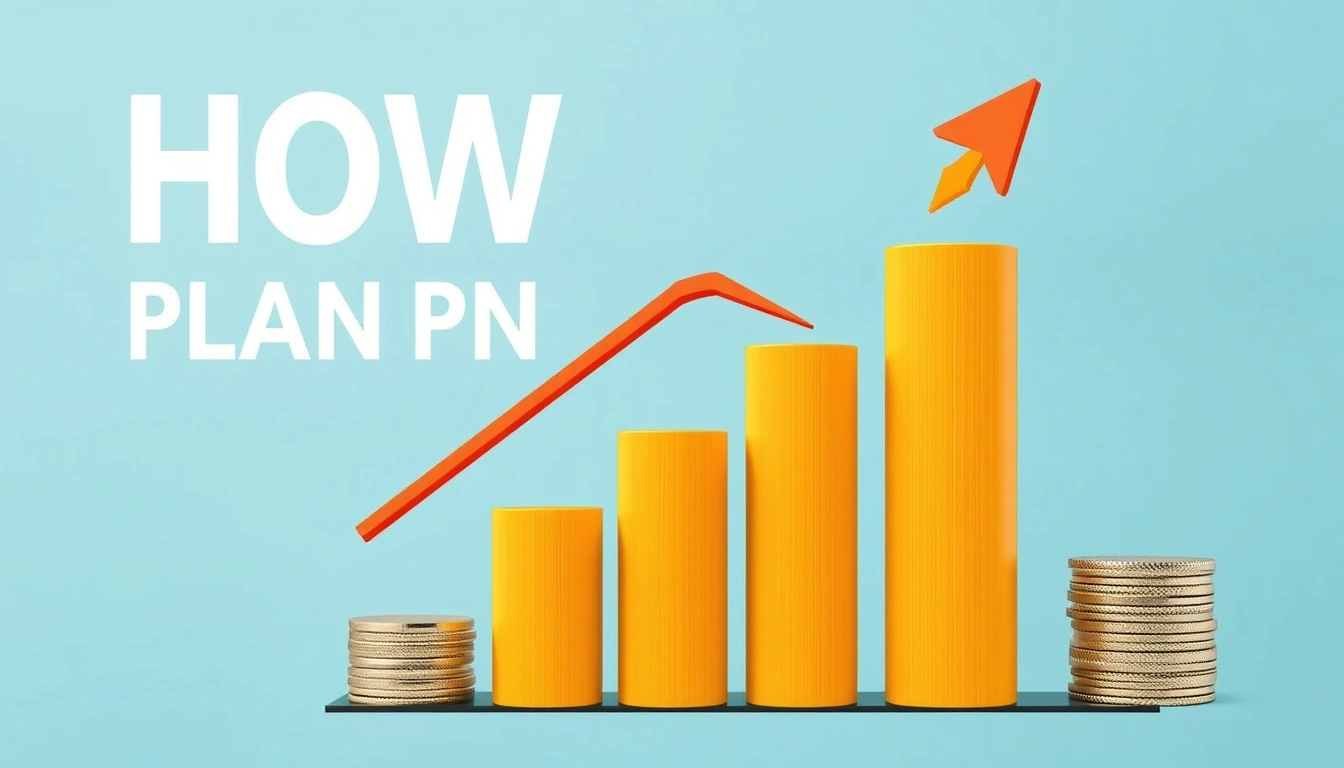
What Does a Debt Payoff Schedule Look Like Laid Out Visually?
A visual debt payoff schedule clarifies the path to debt freedom. Use a tool like Excel or Google Sheets to create this schedule, which includes a detailed amortization schedule for each debt.
| Criteria | Debt Snowball | Debt Avalanche | Winner for Motivation |
|---|---|---|---|
| Motivation | High (quick wins) | Moderate (long-term savings) | Debt Snowball |
| Interest Savings | Low | High | Debt Avalanche |
| Complexity | Low (simple tracking) | High (requires more tracking) | Debt Snowball |
Debt Snowball vs. Avalanche: Which Motivates Better?
The debt snowball approach often wins for motivation because it delivers quick victories by focusing on the smallest debts first. This can be crucial for maintaining momentum, especially if financial discipline is new to you. However, the debt avalanche method, targeting highest interest first, may be better for those with the discipline to see a longer-term strategy. It saves more money by reducing total interest paid.

When the Standard Payoff Plan Doesn’t Work
Sometimes, the standard debt payoff plan doesn’t fit all situations. For instance, if your income is inconsistent, a flexible approach that adjusts payment amounts monthly may suit you better.
- Consider using bad credit loans by state if your credit score prevents you from lowering interest rates.
- Explore debt consolidation options for simplifying payments.
- Reassess if major life changes affect your financial situation, such as a job loss or unexpected medical bills.
Why Does My Payoff Plan Stall and How to Fix It?
A stalled payoff plan often relates to unexpected expenses or loss of motivation. Review your plan regularly, and adjust your strategy if you encounter setbacks. Revisit your debt payoff spreadsheet monthly to ensure it reflects your current financial state.
The Bottom Line
The right debt payoff plan is one you can stick with. Choose the debt snowball if you need quick wins to stay motivated. Opt for the debt avalanche if you can maintain discipline and want to save more on interest. If neither fits due to personal circumstances, consider exploring a Debt Consolidation & Relief in the USA: Local Costs, Legality, and Real Payoff Paths.
Pick one debt to tackle this week. Create or update your spreadsheet and take the first real step towards debt freedom.
- A debt payoff plan is most effective when tailored to your financial situation.
- Debt snowball builds motivation with small victories; avalanche saves on interest.
- Regularly update your payoff tracker to reflect any financial changes.
- Explore consolidation for simpler, potentially more manageable payments.
Common Questions About how debt payoff plan works step by step visual
What is a debt payoff plan and why does it work?
A debt payoff plan strategically allocates payments to clear debts efficiently. It works by focusing on either motivation through small victories or reducing overall interest costs, making debt more manageable and predictable.
How to build a debt payoff schedule step by step?
Start by listing all debts in a spreadsheet, prioritizing either by smallest balance (snowball) or highest interest (avalanche). Allocate extra funds to the target debt while maintaining minimum payments on others. Use a visual tracker to monitor progress.
Snowball chart vs avalanche chart — which motivates better?
The snowball chart often motivates better due to quick wins, which can boost confidence and momentum. However, the avalanche chart is financially beneficial, saving more on interest, and suits those with long-term focus.
Why does my payoff plan stall and how to fix it?
Plans often stall due to unexpected expenses or loss of motivation. Fix this by establishing an emergency fund, reviewing your budget monthly, and adjusting your payoff strategy as needed to stay aligned with current financial circumstances.
How much extra per month cuts payoff time significantly?
Adding an extra $50 to $100 per month towards your highest interest debt can significantly reduce your payoff time by several months, especially when combined with the avalanche method for greater interest savings.
“`
See also: debt consolidation options by state
See also: debt consolidation loan vs debt settlement
See also: average cost of debt settlement program
Related: creditor hardship program
Related: nonprofit credit counseling near me
Related: when to file bankruptcy instead of debt settlement