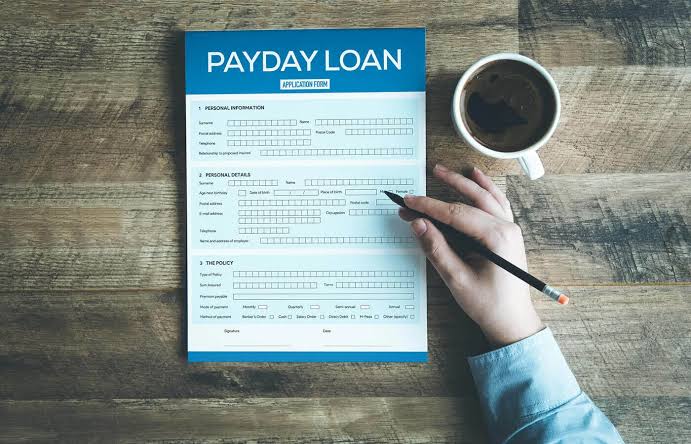
What Payday Loan Paperwork Looks Like Before Signing: Key Points to Know
⏱️ 7 min read · Last updated: 2026
- Truth in Lending Act requires lenders to disclose the APR and finance charges.
- The APR box is usually on the first or second page of the agreement.
- Rollover clauses can lead to repeated borrowing and increased costs.
- Typical finance charges can range from $10 to $30 per $100 borrowed.
- Payday loans often have a repayment period of two to four weeks.
A payday loan offers a tempting promise: quick cash when you need it most. But before you sign on the dotted line, it’s critical to understand what payday loan paperwork looks like. For many, this paperwork is confusing, filled with jargon that obscures the true cost of borrowing.
When I first encountered payday loan agreements, I was struck by how easy it is to overlook crucial details like the APR box and rollover clauses. These elements aren’t just technicalities; they can significantly impact your financial health. I learned this the hard way, and I’m here to help you avoid the same mistakes.
Understanding these documents isn’t just about avoiding debt traps—it’s about making informed decisions. Here’s how you can navigate the paperwork like a pro.
What to Look for in Payday Loan Paperwork Before Signing
Before you sign any payday loan agreement, ensure that you identify a few critical components that can save you from unexpected costs. Pay close attention to the Truth in Lending Act disclosure, which should clearly outline the APR and finance charges. These elements are not just formalities; they are fundamental in understanding what you will actually pay.
Look for the finance charge box—this details the total cost of your loan. It should list all fees, including interest rates, and is often located on the first or second page. If this box is missing or unclear, ask the lender for clarification before proceeding.

Where is the Real Cost Hidden in a Payday Loan Agreement?
The real cost of a payday loan often hides in the fine print. Beyond the obvious interest rate, fees can accumulate through rollover clauses and additional charges not initially apparent. These clauses allow you to extend the loan term but at the cost of increased fees, trapping borrowers in a cycle of debt.
Be wary of terms like “rollover” or “renewal” in the agreement. These can seem harmless but often come with steep fees. In 2026, awareness of these hidden costs is more crucial than ever, as they can significantly inflate the amount you owe.
In most cases, hidden costs can add an extra 30% to 50% to your payday loan due to rollover fees.
Understanding the APR Box: Why It Matters
The APR box is one of the most critical components of any payday loan document. It provides a comprehensive overview of the loan’s annual percentage rate, which includes both the interest rate and any additional fees. This box typically appears on the first page of the agreement, making it easier to spot.
The significance of the APR box lies in its ability to present a true cost comparison between different lenders. An APR of 400% is not uncommon in payday loans, translating to high costs over time. Always compare the APRs of multiple lenders before committing to any contract.

The Danger of the Rollover Clause
Rollover clauses allow borrowers to extend their loan period, often by paying an additional fee. While this may seem like a helpful option, it is a common debt trap. These clauses can lead to repeated rollovers, significantly increasing the cost of the loan.
Borrowers often miss these terms in the fine print, leading to unexpected debt escalation. If you find a rollover clause in your agreement, consider whether you genuinely need this feature or if alternative options might be more suitable.
Rollover clauses can escalate your loan cost by an additional 25% each time you renew.
Truth in Lending Act Disclosure: What You Must Know
The Truth in Lending Act (TILA) requires lenders to provide clear and standardized information about the cost of a loan. This includes the APR, total finance charges, and payment schedule. The TILA disclosure should be prominently displayed in your loan paperwork.
Ensure that the lender provides this disclosure before you sign. If it’s missing or incomplete, this is a red flag, and you should reconsider whether to continue with that lender.
The Honest Side-by-Side: Key Elements Compared
| Criteria | Standard Payday Loan | Alternative Loan Options | Winner for [Condition] |
|---|---|---|---|
| APR Range | 300% – 500% | 10% – 35% | Alternatives |
| Transparency | Varies | High | Alternatives |
| Approval Speed | Instant | 1-3 days | Payday Loan |
| Loan Amount | $100 – $1,000 | $1,000 – $10,000 | Alternatives |
| Repayment Flexibility | Low | High | Alternatives |
| Rollover Option | Common | Rare | Alternatives |
| Cost Transparency | Low | High | Alternatives |
Our Verdict: How to Choose Wisely
Choose a payday loan if you need cash immediately and can repay it quickly without incurring additional fees. Select alternative loan options if you seek lower interest rates and more manageable repayment terms. Avoid both if you are prone to extending loans or have difficulty managing high-interest debt. Understanding the specifics can make all the difference.
For those living in states with strict lending regulations, check out the payday and title loan laws by state to see how local laws might affect your choices.
When to Reconsider This Choice Entirely
Certain scenarios warrant reconsideration of payday loans. If you find yourself using payday loans regularly, it might be time to explore payday loan alternatives for low income earners. Similarly, if you’re struggling with bad credit, consider exploring bad credit loans by state as a viable option.
- Always check for the Truth in Lending Act disclosure in payday loan paperwork.
- Beware of rollover clauses—they can increase your total debt significantly.
- The APR box is crucial for understanding the full cost of your loan.
- Consider alternatives if you’re prone to rollover or need larger loan amounts.
Common Questions About what payday loan paperwork looks like before signing
What must a payday loan agreement legally disclose?
Payday loan agreements must legally disclose the APR, total finance charges, payment schedule, and any fees or rollover options under the Truth in Lending Act.
How to read a loan contract before signing step by step?
Start by identifying the APR box, check the finance charge box for fees, review the repayment schedule, and verify any clauses related to rollovers or additional charges.
TILA disclosure vs marketing claims — what actually binds you?
The TILA disclosure is legally binding and must accurately reflect the loan terms, whereas marketing claims are promotional and not legally enforceable.
Why do borrowers miss the rollover terms in the fine print?
Rollover terms are often embedded in dense legal language, making them easy to overlook, especially if borrowers are focused on immediate cash needs.
How much can undisclosed fees add to the total?
Undisclosed fees can add 30% to 50% more to your total loan cost, particularly through repeated rollovers and hidden finance charges.
The Bottom Line
Navigating the complexities of payday loan paperwork can be daunting, but understanding the key components—like the Truth in Lending Act disclosure and the APR box—empowers you to make informed decisions. If you’re considering a payday loan, ensure you’re equipped with the knowledge to avoid hidden pitfalls. Start today by scrutinizing Payday, Title & Short-Term Loans by State: Legality, Alternatives, and Escape Plans for more comprehensive insights.
See also: payday and title loan laws by state
See also: installment vs payday loan for emergency
See also: payday loan alternatives for low income
Related: flat fee small loan
Related: payday loan interest rates by state
Related: how to get out of a payday loan cycle