“`html
Home Equity Loan Process Timeline Steps
⏱️ 8 min read · Last updated: 2026
Thirty to forty-five days sounds slow until you see how many moving parts sit inside a home equity loan. You send in an application, hand over documents, wait for underwriting, then sit through an appraisal, a closing disclosure review, and a 3-day rescission period. Clean paperwork helps. Messy paperwork drags everything out. For homeowners who want cash without unnecessary headaches, understanding the home equity loan process timeline steps matters more than most people expect.
- Total process timeline: 30 to 45 days in most cases
- Rescission period: 3 days post-closing
- Number of required documents: typically 10 to 15
- Underwriting timeline: usually 7 to 14 days
What are the steps to get a home equity loan from start to finish?
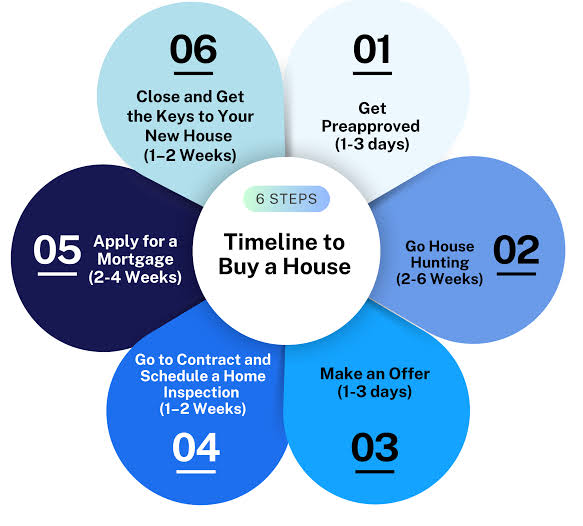
Five stages make up the home equity loan process: application submission, underwriting review, property appraisal, approval and closing disclosure review, and closing with a 3-day rescission period. Start with the application and the basics — proof of income, a property deed, and the rest of the lender’s list. Then the file moves into underwriting, and that review usually runs 7 to 14 days when things go normally.
After underwriting wraps up, the property gets appraised. That can take a few extra days, depending on when an appraiser is free. If the numbers and paperwork line up, you get the closing disclosure and need to check it closely. Closing comes next; then the 3-day rescission period begins, which gives you a short window to back out if you need to.
- Application submission with required documents
- Underwriting review
- Property appraisal
- Approval and closing disclosure review
- Closing and 3-day rescission period
Quick check: Ensure all documents are accurate and timely to avoid delays in underwriting and appraisal stages.
How long does the home equity loan process take and what documents do I need?
The home equity loan process timeline steps usually cover 30 to 45 days from application to closing. In practice, two things steer the clock: how fast your papers are ready and how quickly the appraisal gets scheduled. You’ll usually need identification, proof of income, the property deed, mortgage statements, and sometimes a few lender-specific extras.
A tidy document checklist cuts down the back-and-forth that slows underwriting. In some cases, a complete set can trim delays by as much as 10 days. That preparation keeps the home equity loan process timeline steps moving instead of stalling in email limbo.
| Situation | Best Path | Why Other Options Fail |
|---|---|---|
| Complete document checklist ready | Proceed with normal application | Delays in gathering documents cause significant timeline extensions |
| Missing essential documents | Expedite document preparation | Underwriting can’t proceed without complete documentation |
Quick check: Double-check your document list before applying to align with typical lender requirements.
When the standard advice is wrong
Generic advice falls apart when a lender has its own rules or the appraisal gets stuck in line. If your lender asks for extra income verification or a particular appraisal format, expect the calendar to stretch. In stricter states, underwriting can run 5-10 days longer. This reality is why knowing your specific lender’s requirements is part of mastering the home equity loan process timeline steps.
Rushing the closing disclosure review is another bad bet. Errors found after closing become expensive and stressful to fix. Give yourself the full review period. That step matters because it helps prevent problems that show up after closing.
Quick check: Know your lender’s unique requirements and don’t rush through key steps.
The 3 conditions that change everything
Three main conditions can alter the home equity loan timeline: lender-specific regulations, appraisal scheduling, and the rescission period. If your lender works in a tightly regulated state, expect more paperwork. Appraisal timing can also become the bottleneck, especially when the real estate market is busy.
And then there’s the 3-day rescission period. This legal step is mandatory and gives you a final pause to think over the terms. Understanding these conditions helps you handle the home equity loan process timeline steps with fewer surprises.
Quick check: Identify your state and lender-specific requirements early in the process.
If you’re in a hurry, here’s what to do
If time matters, get every document together before you apply and look at lenders that move faster. Some online lenders offer accelerated underwriting, with decisions in under 14 days. However, speed can sometimes come with higher fees or tighter terms, so be sure to compare your options carefully before committing.
Keep your financial records organized and answer the lender quickly when they ask for something. That simple habit can shave time off the home equity loan process timeline steps.
Quick check: Verify if your lender offers expedited services and be ready for potential additional costs.
Common edge cases and how to handle them
Some home equity loan situations do not follow the usual script. For example, if the property sits in a rural area, finding an appraiser may take longer, which pushes the timeline back. Similarly, if your credit score changes after you apply, underwriting can take longer too.
Also, if you or a co-borrower earn money in an unusual way, expect more documentation requests. Each case needs its own plan; otherwise, the process can turn into a paper chase.
- Rural property: Schedule appraisals earlier to account for limited availability.
- Credit score change: Provide updated credit information promptly to prevent delays.
- Unconventional income: Prepare detailed income documentation in advance.
Quick check: Identify any unique aspects of your situation that may require extra steps.
- Home equity loan timelines typically range from 30 to 45 days.
- Be prepared with a document checklist to expedite underwriting.
- Account for lender-specific regulations and appraisal availability.
- Consider lenders with faster processing if time is critical.
Common questions about home equity loan process timeline steps
What are the steps in the home equity loan process?
The steps are application submission, underwriting review, property appraisal, approval, closing disclosure review, and a 3-day rescission period. Proper document preparation is key to a smooth process.
How to prepare documents for a home equity loan step by step?
Gather identification, income proof, property deed, mortgage statements, and other lender-specific documents. Organize them in advance to prevent delays during underwriting.
Bank vs credit union home equity process — which is faster?
Banks often have more resources, potentially speeding up the process. However, credit unions may offer more personalized service, which can result in faster communication and fewer delays.
Why is my home equity loan taking so long and how to speed it up?
Delays often stem from incomplete documentation or appraisal scheduling. Speed things up by ensuring all documents are ready and choosing lenders with faster processing capabilities.
How long does a home equity loan take to close in 2026?
In 2026, the typical closing timeline remains 30 to 45 days, depending on document readiness and appraisal scheduling.
The bottom line
Getting through the home equity loan process timeline steps efficiently comes down to preparation and knowing what happens next. With timelines running 30 to 45 days, a full document checklist and a clear grasp of lender rules can make a real difference. If you plan to start, get your paperwork together today. For more insights, visit Home Equity, HELOC & Cash-Out Refinance in the USA: State Costs, Qualification, and When to Tap Your Equity.
See also: home equity loan underwater no equity options
See also: HELOC vs home equity loan for debt consolidation
See also: home equity loan by state
Related: home equity loan closing costs by state
Related: how much home equity can I borrow calculator situation
Related: cash-out refinance when to do it low mortgage rate
“`
See also: home equity loan underwater no equity options
See also: HELOC vs home equity loan for debt consolidation
See also: home equity loan bad credit approval odds