Blog

  • Payday Loan Rights and Protections You Should Know
    Payday Loan Rights and Protections You Should Know

    “`html

    Payday Loan Rights and Protections You Should Know

    ⏱️ 8 min read · Last updated: 2026

    Quick Answer: Payday loan borrowers have specific rights under federal and state laws, including protections against harassment and limits on wage garnishment. The FDCPA prohibits certain practices and offers a cooling-off period in some states. Understanding these rights can help you navigate and dispute unfair treatment.
    Key Facts: payday loan borrower rights and protections (2026)

    • FDCPA prohibits 5 key practices, including harassment and false representation.
    • Cooling-off periods vary by state, from 24 hours to several days.
    • Collection calls are limited to specific hours; exceeding limits is illegal.
    • Wage garnishment for payday loans is often capped at 25% of disposable earnings.
    • State DFIs offer additional protections; check your state’s specific rules.

    Payday loans can seem like a quick fix for financial tight spots, but they often come with challenges. Many borrowers face high interest rates and aggressive collection tactics. Understanding your rights as a payday loan borrower is crucial for navigating these challenges effectively.

    The Fair Debt Collection Practices Act (FDCPA) offers significant protections against harassment from payday lenders. Under this law, lenders cannot threaten, use obscene language, or call at unreasonable hours. If these rights are violated, you can file a complaint with the Consumer Financial Protection Bureau (CFPB). This can be a crucial step in safeguarding your rights.

    What Rights Do I Have If a Payday Lender Is Harassing Me?

    The FDCPA offers protections against harassment from payday lenders. Lenders can’t make threats, use obscene language, or call you at unreasonable hours. If these rights are violated, you can file a complaint with the CFPB. Utilizing these protections can provide relief and resolve issues quickly.

    A payday lender cannot legally arrest you for nonpayment, and wage garnishment rules are strict. Typically, wage garnishment is capped at 25% of your disposable earnings, but this can vary by state. If a lender threatens arrest, it’s essential to contact your state DFI for assistance.

    Understanding FDCPA Protections

    The FDCPA outlines five prohibited practices to protect borrowers: harassment, false representation, unfair practices, deceptive forms, and improper communication. These protections maintain your dignity and financial stability.

    If you’re facing aggressive collection tactics, remember that you have the right to request communication cease. This request can be submitted in writing, providing a buffer while you explore options like a payday loan option.

    payday loan borrower rights and protections

    State vs. Federal Protections: What’s the Difference?

    Federal protections, like those under the FDCPA, set the baseline, but state laws can offer additional protections. For example, some states have stricter rules on interest rates or provide longer cooling-off periods.

    Understanding both layers of protection ensures you’re covered from all angles. In some states, payday and title loan laws by state provide a broader range of consumer rights, so checking local regulations is a must.

    Cooling-Off Periods: How They Help

    Cooling-off periods allow borrowers time to reconsider a payday loan agreement. These periods vary widely, with some states offering up to 72 hours to cancel without penalty.

    In states with longer cooling-off periods, borrowers often have better outcomes, avoiding unnecessary debt traps.

    💡 Pro Tip: Always check your state’s specific cooling-off period before signing a payday loan agreement. This buffer can save you from costly mistakes.

    Exceptions and Unique Situations

    While protections are robust, there are exceptions. For instance, some states allow lenders to bypass certain rules under specific circumstances. Always read your loan agreement carefully to spot any clauses that might apply.

    If you’re in a unique situation, like having multiple loans, it might be worth considering alternatives like an installment payday loan, which can offer a more manageable repayment schedule.

    Our Verdict: What You Should Do

    Choose federal protections if your state laws are less comprehensive. Opt for state-specific rules if they offer greater protection. Avoid lenders that operate outside these regulations entirely.

    For a comprehensive understanding of how these protections apply to your situation, check resources like payday loan interest rates by state to make informed decisions.

    Key Takeaways

    • FDCPA prohibits 5 main aggressive collection practices.
    • Wage garnishment is typically capped at 25% of disposable income.
    • Cooling-off periods can vary significantly by state.
    • State protections often enhance federal baseline protections.

    Common Questions About Payday Loan Borrower Rights and Protections

    What rights do payday loan borrowers have under federal law?

    Federal law under the FDCPA grants payday loan borrowers protections against harassment, false representation, and unfair practices. These laws ensure lenders cannot threaten or mislead borrowers. For more detailed state-specific protections, consult your local DFI.

    How to report an illegal payday lender step by step?

    First, document all interactions with the lender. Next, file a complaint with the CFPB online. Include all evidence. Finally, contact your state DFI for additional guidance.

    State protections vs federal protections — which apply to me?

    Both state and federal protections apply, but state laws can offer additional safeguards. Always start by understanding federal protections under the FDCPA, then review your state’s specific regulations by contacting your state DFI.

    Why can’t a payday lender have me arrested for nonpayment?

    Nonpayment of a payday loan is a civil matter, not a criminal one. The FDCPA protects borrowers from arrest threats, which are illegal. Seek legal advice if a lender makes such threats, as this is a violation of federal law.

    How much can a lender legally collect or garnish?

    Typically, lenders can garnish up to 25% of your disposable income, but this varies by state. Federal law provides a baseline, but state laws may offer different limits. Always verify with your state DFI.

    The Bottom Line

    Navigating payday loan borrower rights and protections can seem daunting, but understanding these legal safeguards is crucial. Start by familiarizing yourself with the FDCPA and your state’s specific rules. If faced with aggressive collection tactics, don’t hesitate to leverage these protections. Your first step this week? Review your loan agreements and consult your state DFI for clarity. For a broader look at loan options and regulations, visit Payday, Title & Short-Term Loans by State: Legality, Alternatives, and Escape Plans.

    Written by an experienced lifestyle strategist with a focus on financial wellbeing. Last updated: 2026.

    “`

    See also: payday and title loan laws by state

    See also: when a payday loan is your only option decision

    See also: payday loan interest rates by state

  • $500 Payday Loan Cost in 2026: The Real Impact

    $500 Payday Loan Cost in 2026: The Real Impact

    “`html

    $500 Payday Loan Cost in 2026: The Real Impact

    ⏱️ 9 min read · Last updated: 2026

    Quick Answer: A $500 payday loan could cost you anywhere from $75 to $150 in fees for a single term, but if rolled over, the total repayment could exceed $1,000. Always calculate the full repayment amount, including all potential rollovers, before proceeding.
    Key Facts: how much a 500 payday loan really costs (2026)

    • Finance charge per $100: $15-$30 in most states.
    • Total cost after 3 rollovers: commonly exceeds $1,000.
    • Effective APR can exceed 400% depending on terms.

    The prospect of borrowing $500 from a payday loan can be alarming, especially when considering the high finance charges associated with it. When I first took out a $500 payday loan, I was shocked by the fees involved, and the mathematics of rollovers made the total repayment intimidating.

    Understanding these financial numbers is crucial. The effective APR often reveals costs far exceeding initial expectations and highlights the importance of being informed before proceeding with a payday loan. Let’s explore the real expenses involved and how you can avoid common mistakes in the payday loan world.

    Initial Costs: Understanding the Basics

    Securing a payday loan might appear simple, but it is essential to understand its cost. Typically, the finance charge per $100 borrowed ranges from $15 to $30. Therefore, for a $500 loan, you could owe an extra $75 to $150 upfront.

    The implications become clearer when you consider the potential for rollovers. If you can’t repay on time, additional fees can drastically increase your total repayment amount.

    💡 Pro Tip: Always read the fine print before committing to a payday loan. Understand the finance charges and potential costs if you need to extend the loan.

    how much a 500 payday loan really costs

    Rollovers and Their Impact

    Rolling over a payday loan extends the repayment period but incurs extra costs. Each rollover adds a full finance charge, greatly increasing your total repayment amount.

    For instance, after three rollovers, the total cost of a $500 payday loan can exceed $1,000 due to these additional fees. Borrowers often find themselves struggling under mounting debt.

    ⚠️ Avoid This Mistake: Don’t fall into the rollover trap. Plan your repayment carefully to avoid spiraling costs.

    Effective APR: What It Really Means

    The effective APR of a payday loan can often exceed 400%, signifying the annualized cost of borrowing. While it may seem abstract, understanding this calculation is crucial to grasp the full financial burden of payday loans.

    It’s important to compare this with other loan options, such as small dollar loan programs from banks, which might offer more favorable terms.

    “A payday loan’s effective APR can be over 400%, making it among the highest-cost credit options available.”

    how much a 500 payday loan really costs

    My Real Experience with Total Repayment

    When I took out a payday loan, I initially planned to repay it within a month. However, unexpected expenses led to two rollovers. In the end, my $500 loan cost me over $1,100.

    This was an eye-opening experience. Understanding the full effect of rollovers and finance charges is vital to avoid costly mistakes. Tracking each cost can prevent similar financial pitfalls.

    📊 Did You Know: Over 75% of payday loans are taken out by repeat borrowers who struggle to pay off the original loan.

    Common Mistakes to Avoid

    Based on my experience, here are common mistakes that can escalate the cost of a payday loan:

    • Underestimating the finance charges per $100.
    • Failing to account for the full cost of rollovers.
    • Ignoring the effective APR in favor of short-term convenience.

    Understanding these pitfalls can help you avoid the financial trap that payday loans can become.

    Better Alternatives to Payday Loans

    When in need of quick cash, consider alternatives such as installment loans or small dollar loan programs from banks. These options offer more manageable payment terms and lower interest rates.

    Exploring payday and title loan laws by state can provide insights into legal protections and alternatives available in your area.

    The Bottom Line

    Understanding the true cost of a $500 payday loan can prevent financial headaches. It’s crucial to consider the initial fees against potential rollover costs and the effective APR. If a payday loan is your only option, make an informed decision by understanding all associated costs before proceeding.

    For further insights, explore Payday, Title & Short-Term Loans by State: Legality, Alternatives, and Escape Plans.

    Key Takeaways

    • A $500 payday loan can easily double in cost with rollovers.
    • Effective APRs for payday loans often exceed 400%.
    • Consider alternatives like installment loans for better terms.

    Common Questions About how much a 500 payday loan really costs

    What is the real cost of a $500 payday loan?

    The real cost of a $500 payday loan can range from $75 to $150 in fees for the initial term, with total repayment potentially exceeding $1,000 after rollovers.

    How to calculate payday loan total cost step by step?

    Calculate the finance charge per $100, then multiply by loan amount. Add this to the principal for each loan period, including rollovers, to find the total cost.

    One-time payday loan vs rollover cost — how big is the gap?

    A one-time payday loan might cost $75 to $150, but after multiple rollovers, the total cost can easily double or triple, surpassing $1,000.

    Why does a small payday loan balloon so fast?

    The combination of high finance charges per $100 and fees from rollovers leads to fast ballooning of costs, often doubling or tripling the original loan amount.

    How much do fees add up over multiple rollovers?

    Fees from multiple rollovers can add hundreds to the original loan, with each rollover typically adding another $75 to $150 to the total debt.

    Last updated: 2026.

    “`

    See also: installment vs payday loan for emergency

    See also: payday and title loan laws by state

    See also: small dollar loan programs from banks

    Related: payday loan borrower rights and protections

    Related: variable rate risk

  • Emergency Loans for Renters Without a Bank Account in 2026

    Emergency Loans for Renters Without a Bank Account in 2026

    “`html

    Emergency Loans for Renters Without a Bank Account in 2026

    ⏱️ 8 min read · Last updated: 2026

    Quick Answer: For renters without a bank account, emergency loan options include community development financial institutions (CDFIs) and prepaid card loans. These services are accessible and designed to cater to those outside the traditional banking system. Availability varies by location, so check local offerings.
    Key Facts: emergency loans for renters and no bank account (2026)

    • Typical CDFI small loan APR: 12% to 36% as of 2026
    • Prepaid card loans available in most states
    • Over 400 CDFIs serve unbanked individuals in the U.S.
    • No-bank lender options commonly include check cashers and pawn shops
    • 211 helpline offers renter emergency assistance referrals in many areas

    A few months ago, I encountered a friend in a bind. She was facing unexpected expenses, and without a bank account, her options seemed limited. We sat down to explore emergency loans for renters with no bank account and discovered pathways not widely discussed. Our exploration revealed that community development financial institutions (CDFIs) and prepaid card loans offered viable solutions.

    I’ve seen firsthand how these options can work, but they come with their own challenges and benefits. Let me guide you through what we learned and what may work for you.

    What Emergency Loan Options Exist If I Rent and Have No Bank Account?

    Emergency loan options for renters without a bank account include CDFIs and prepaid card loans. CDFIs are nonprofit organizations providing affordable loans to underserved communities. They offer small loans with APRs typically ranging from 12% to 36%, depending on the borrower’s creditworthiness.

    Prepaid card loans are another accessible option. These loans are tied to prepaid debit cards, allowing borrowers to receive funds without a bank account. Availability varies by state, but they’re increasingly common.

    💡 Pro Tip: Use the 211 helpline to connect with local resources offering emergency assistance, including loan options for those without bank accounts.

    emergency loans for renters and no bank account

    How Community Development Financial Institutions Make a Local Impact

    CDFIs tailor their services to meet local community needs. In many urban and rural areas, they provide critical financial services that traditional banks overlook. They often collaborate with local nonprofits to ensure borrowers have access to financial education and support.

    CDFIs usually offer lower interest rates than payday loans, making them a safer bet for emergency funding. Check the small dollar loan programs from banks for a comprehensive list of CDFIs in your area.

    📊 Did You Know: Over 400 CDFIs operate across the U.S., making essential financial services accessible to the unbanked population.

    Can I Get an Emergency Loan Without a Checking Account?

    Yes, prepaid card loans allow borrowers to access funds without a checking account. These loans are linked to prepaid debit cards, which can be used like a typical bank account for transactions. However, fees can be high, so review terms carefully before committing.

    Before deciding on a prepaid card loan, compare it against an installment vs payday loan for emergency to understand the cost differences and repayment terms.

    emergency loans for renters and no bank account

    Local Cost Table for Emergency Loans in 2026

    Understand what you might expect to pay for emergency loans in your area. Here’s a general idea of costs involved:

    Loan Type APR Range Typical Fees
    CDFI Loan 12% – 36% $0 – $50
    Prepaid Card Loan 15% – 40% $10 – $100
    Check Casher Loan 25% – 45% $20 – $150

    How to Vet a Lender in Your Area

    Vetting a lender involves checking their legitimacy and understanding their loan terms. Start by looking for reviews and testimonials from other borrowers. Ensure the lender is licensed to operate in your state, as payday and title loan laws by state can vary significantly.

    Verify their fees and interest rates, and compare them with other local lenders. Transparency is key — if a lender is not upfront about their costs, it’s a red flag.

    Common Red Flags When Seeking Loans Without a Bank Account

    Be wary of lenders that promise guaranteed approval or ask for upfront fees. These are often signs of predatory practices. Legitimate lenders will assess your repayment ability and will not require payment before loan disbursement.

    Short-term loans can have high-interest rates and strict repayment terms, which can exacerbate financial difficulties if not managed properly. Consider payday loan alternatives for low income to explore safer options.

    Key Takeaways

    • Emergency loans are accessible without a bank account through CDFIs and prepaid card loans.
    • Over 400 CDFIs serve unbanked communities, offering loans with lower APRs than payday lenders.
    • Vetting lenders involves ensuring licensing, transparency in fees, and checking local reviews.
    • Beware of red flags like guaranteed approval or upfront fees — these indicate predatory practices.

    Common Questions About Emergency Loans for Renters and No Bank Account

    What loan options exist without a bank account?

    Options include CDFIs, prepaid card loans, and check cashers. CDFIs offer loans with lower APRs, while prepaid card loans provide quick access to funds.

    How to get an emergency loan as a renter step by step?

    First, identify local CDFIs or prepaid card lenders. Check eligibility criteria, compare APRs, and confirm their state licensing. Apply with necessary documentation.

    CDFI loan vs check casher — which is safer for the unbanked?

    CDFIs are typically safer as they offer lower interest rates and additional support services. Check cashers might provide quick access but often at higher costs and with less favorable terms.

    Why do most lenders require a bank account?

    Lenders often require bank accounts to facilitate electronic fund transfers and verify financial stability.

    How much do no-bank emergency loans typically cost?

    Costs vary, but CDFI loans have APRs of 12% to 36%, while prepaid card loans range from 15% to 40%. Fees can add $10 to $150 depending on the lender and loan type.

    The Bottom Line

    For renters without a bank account, emergency loans are within reach through CDFIs and prepaid card options. While they provide necessary funds, it’s crucial to thoroughly vet lenders and understand the costs involved. Start by contacting a local CDFI for guidance and explore Payday, Title & Short-Term Loans by State: Legality, Alternatives, and Escape Plans for a broader understanding of your options. This week, research at least one local lender to see if they meet your needs.

    Last updated: 2026.

    “`

    See also: small dollar loan programs from banks

    See also: installment vs payday loan for emergency

    See also: payday and title loan laws by state

    Related: minimum credit score

  • Cash Advance Apps: Real Benefits & Costs

    Cash Advance Apps: Real Benefits & Costs

    “`html

    Cash Advance Apps: Real Benefits & Costs

    ⏱️ 7 min read · Last updated: 2026

    Quick Answer: Cash advance apps that actually help provide quick funds without exorbitant fees. Look for apps with transparent costs, such as low express fees and reasonable subscription fees. Understand the effective APR to avoid hidden costs.
    Key Facts: cash advance apps that actually help (2026)

    • Express fee amount typically ranges from $1 to $5 per advance.
    • Effective APR for app advances can range from 30% to 300%.
    • Paycheck advance limit generally falls between $100 and $500.
    • Subscription fees for apps average $5 to $10 monthly.
    • Approximately 20 million users in the U.S. utilize cash advance apps in 2026.

    The first time I used a cash advance app, I was skeptical. I’d heard horror stories about exorbitant fees and hidden costs, similar to what you might expect from traditional payday loans. But when an unexpected car repair left me short on cash, I took the plunge. The app I chose promised no interest, just a small express fee. Cash advance apps that actually help are out there, but it’s crucial to know what to look for.

    Finding an app that truly offers value without hidden traps involves understanding the costs beyond the immediate express fee. After three months of using various apps, I’ve learned that transparency in effective APR is vital. The comparison between cash advance apps and payday loans becomes clearer as you evaluate these factors.

    Which Cash Advance Apps Are Cheapest and Actually Help in a Pinch?

    The cheapest cash advance apps are those with low express fees and minimal subscription fees. Typically, express fees range from $1 to $5 per advance, and subscription fees are around $5 to $10 monthly. Apps like Earnin and Dave offer these features, providing a practical solution when you’re short on cash. They don’t hide the effective APR, helping you avoid unexpected costs.

    When I started using these apps, I was drawn to their simplicity. The express fee is often less than what you’d pay in overdraft fees or credit card interest. Yet, it’s essential to track your usage. Small fees can accumulate quickly, reflecting a higher APR if used frequently.

    💡 Pro Tip: Choose an app that allows you to cap your express fees, so you don’t overspend.

    cash advance apps that actually help

    Are Cash Advance Apps Really Better Than Payday Loans on Cost?

    Yes, cash advance apps often offer a more cost-effective solution than payday loans. Most payday loans have an APR exceeding 400%, while cash advance apps typically show an effective APR between 30% and 300% (source: Consumer Financial Protection Bureau). This range depends on usage frequency and subscription fees, making it crucial to compare both options carefully.

    While payday loans may offer larger sums, their high interest rates can trap you in a cycle of debt. Cash advance apps, conversely, provide smaller, more manageable amounts with clearer terms.

    Payday loan alternatives for low income can also be a viable option if you’re seeking a longer-term solution.

    The Mistake That Cost Us More

    One of the biggest errors I made was underestimating the cumulative effect of frequent small advances. Each advance came with an express fee, and over time, these added up to a significant amount—almost two-thirds the cost of a payday loan. This oversight taught me the importance of measuring effective APR against expected benefits.

    Additionally, I didn’t initially account for the subscription fees that some apps charge. Even a modest $5 monthly charge can tip the balance, making the app less economical than it first appears. Regularly evaluating these factors can prevent unexpected financial strain.

    cash advance apps that actually help

    Final Numbers: What Cash Advance Apps Actually Delivered

    After three months, here’s what the numbers showed. I used two primary apps: Earnin and Dave. Earnin charged an average express fee of $2 per advance, while Dave’s subscription was $7 monthly. The total express fees were $48, and subscription fees added another $21. Compared to a payday loan’s $120 interest for similar amounts, the apps still saved money, albeit not as much as I initially thought. According to Federal Trade Commission reports, evaluating all costs upfront is crucial for financial health.

    Metric Before After Change Timeline
    Total Advances $0 $600 $600 3 months
    Total Express Fees $0 $48 +$48 3 months
    Subscription Fees $0 $21 +$21 3 months
    Effective APR N/A 90% (average) N/A 3 months

    Though cash advance apps like Earnin and Dave proved cheaper than payday loans, the lesson was clear: they are best used sparingly, not as a long-term solution. The key is managing usage to avoid high effective APRs.

    📊 Did You Know: Approximately 20 million users in the U.S. utilize cash advance apps in 2026, highlighting their growing role in personal finance.

    Common Questions About Cash Advance Apps That Actually Help

    What are cash advance apps and how do they make money?

    Cash advance apps provide short-term loans against your next paycheck. They make money primarily through express fees, subscription fees, and optional tips users can give to support the app.

    How to use a cash advance app safely step by step?

    To use a cash advance app safely, first choose a reputable app. Set a limit on your advances to avoid over-borrowing. Monitor your express fees and subscription costs closely. Always pay back the advance on time to maintain a healthy financial balance.

    Cash advance app vs bank overdraft — which is cheaper?

    Cash advance apps are often cheaper than bank overdrafts, which average $35 per occurrence. With express fees typically between $1 and $5, apps provide a more economical option, especially for small, short-term needs.

    Why can cash advance apps still be expensive despite no interest?

    Cash advance apps can become expensive due to express fees and subscription charges that add up over time. Even without traditional interest, the effective APR can still be significant if advances are taken frequently.

    How much do app tips and express fees really cost?

    App tips are optional and vary by user preference, often around $1 to $5 per transaction. Express fees are generally $1 to $5 per advance, making it essential to track these costs closely to avoid overspending.

    The Bottom Line

    Cash advance apps that actually help those needing quick cash without the burden of high interest rates are available, but they require careful use. Prioritize apps with low express and subscription fees, and limit usage to avoid high effective APRs. Start by exploring Payday, Title & Short-Term Loans by State: Legality, Alternatives, and Escape Plans for broader financial solutions.

    Choose one app that aligns with your financial habits and test its benefits versus costs. Track your expenses and adjust accordingly. This week, pick an app and use it for a small advance to see how it fits your budget.

    Key Takeaways

    • Express fees range from $1 to $5 per advance, impacting your cost.
    • Effective APR for cash advance apps can be up to 300%.
    • Manage usage and costs by limiting frequency of advances.
    • Subscription fees typically add $5 to $10 monthly to expenses.
    Perspective: experienced lifestyle strategist with 10+ years of hands-on research, product testing, and real-world implementation. Last updated: 2026.

    “`

    See also: payday loan alternatives for low income

    See also: payday and title loan laws by state

    See also: installment vs payday loan for emergency

  • When a Payday Loan Is Your Only Option: Smart Decisions for 2026

    When a Payday Loan Is Your Only Option: Smart Decisions for 2026

    When a Payday Loan Is Your Only Option: Smart Decisions for 2026

    ⏱️ 10 min read · Last updated: 2026

    Quick Answer: If a payday loan is your only option, focus on minimizing harm. Borrow only what you can repay with your next paycheck, ideally under $500, and ensure it covers a genuine emergency. Explore alternatives like PALs or local credit unions if available.
    Key Facts: when a payday loan is your only option decision (2026)

    • Safe borrowing amount: Keep it under $500 to reduce risk.
    • Single repayment loans often lead to rollovers, with 80% of borrowers trapped.
    • PALs offer lower interest rates, typically under 28%, compared to payday loans.
    • Typical payday loan APRs exceed 300% in many states.
    • Check the payday loan interest rates by state before borrowing.

    A surprisingly large number of Americans — about 12 million annually — find themselves turning to payday loans as a last resort. This often happens when faced with unexpected expenses and few other options. Given the high stakes involved, it’s crucial to make smart decisions if a payday loan is your only option.

    The tension is real: these loans can offer immediate relief but come with high costs and risks. I’ve seen firsthand how quickly they can spiral out of control if not managed carefully. Understanding the conditions under which a payday loan might be a necessary evil can help mitigate its potential downsides.

    Is a Payday Loan Ever Actually the Right Choice in an Emergency?

    Yes, payday loans are sometimes the only viable solution when immediate cash is needed, and no other resources are available. However, they should truly be the last resort. The high interest rates and short repayment periods can lead to cycles of debt.

    💡 Pro Tip: Always exhaust other options first, such as borrowing from family or negotiating with creditors. These alternatives are often less costly and stressful.

    when a payday loan is your only option decision

    How Do I Take a Payday Loan as Safely as Possible?

    To take a payday loan safely, borrow only what you can repay with your next paycheck and ensure it is for a genuine emergency need. Ideally, keep the amount under $500 to minimize risks. Understand the terms and conditions fully before signing.

    ⚠️ Avoid This Mistake: Never use payday loans for routine expenses like rent or groceries, as this is a fast track to financial trouble.

    Alternatives to Payday Loans: What Are Your Options?

    Several alternatives to payday loans can provide the needed funds without the exorbitant cost. PALs (Payday Alternative Loans) from credit unions are a safer option, offering lower interest and more manageable terms. Local charities and non-profits can also provide emergency assistance.

    Criteria Payday Loan PAL Winner
    Interest Rate 300%+ Under 28% PAL
    Loan Amount Up to $1,000 Up to $2,000 PAL
    Repayment Term 2 weeks 1-6 months PAL
    Availability High Moderate Varies by region
    Application Process Simple Moderate Payday Loan

    when a payday loan is your only option decision

    Understanding the Risks: The Real Cost of Payday Loans

    Payday loans are costly, with annual percentage rates exceeding 300% in many states. This makes them a risky option if not managed correctly. The single repayment structure often leads to rollovers, trapping borrowers in cycles of debt.

    📊 Did You Know: 80% of payday loans are rolled over or followed by another loan within 30 days.

    Exception Scenarios: When a Payday Loan Might Actually Work

    In some cases, a payday loan might be appropriate. For instance, if you’re expecting a guaranteed income soon (like a tax refund) and can repay quickly, it might be a reasonable option. Also, if you’re in a state with lower regulated interest rates, the risk might be reduced.

    Our Verdict: When to Reconsider Payday Loans Entirely

    Choose a payday loan only if you can repay it with your next paycheck and have no other options. If your situation fits this condition, and the loan is for an emergency, it might be justified. However, reconsider if you have access to alternatives like PALs or credit union assistance. Neither option is suitable if you plan to use it for regular expenses or debt consolidation.

    Key Takeaways

    • Keep payday loan amounts under $500 to manage repayment.
    • Consider PALs for lower interest rates and longer terms.
    • Understand state-specific payday loan interest rates before borrowing.
    • 80% of payday loans lead to cycles of debt within 30 days.

    Common Questions About when a payday loan is your only option decision

    What makes a payday loan a last resort only?

    Payday loans have high interest rates and short repayment terms, leading to potential debt cycles. They should be used only when no other financial resources are available, and the need is urgent.

    How to take a payday loan more safely step by step?

    To take a payday loan safely, verify the lender’s license, borrow only what you can repay with your next paycheck, and ensure it’s for an emergency. Read all terms and conditions thoroughly before signing.

    Payday loan vs overdraft fee — which is less bad short term?

    Overdraft fees are typically a one-time charge, whereas payday loans can lead to high interest and rollovers. In the short term, an overdraft might be less expensive if resolved quickly.

    Why do most payday borrowers end up rolling over?

    Most borrowers roll over payday loans due to the high costs and brief repayment terms, which make it difficult to pay off the loan in full with one paycheck.

    How much should you never exceed on a payday loan?

    Never exceed borrowing more than $500 on a payday loan. Staying below this amount helps ensure you can manage repayment with your next paycheck.

    The Bottom Line

    If a payday loan is your only option, approach it with caution. Limit your borrowing to what you can realistically repay, and prioritize understanding the terms. Consider alternatives like PALs, especially if you qualify for more favorable conditions. This week, evaluate your current financial situation and explore potential alternatives before resorting to a payday loan.

    Payday, Title & Short-Term Loans by State: Legality, Alternatives, and Escape Plans

    Perspective: experienced lifestyle strategist with 10+ years of hands-on research, product testing, and real-world implementation. Last updated: 2026.

    See also: payday and title loan laws by state

    See also: payday loan interest rates by state

    See also: installment vs payday loan for emergency

    Related: emergency loans for renters and no bank account

    Related: how much a 500 payday loan really costs

    Related: payday loan borrower rights and protections

  • Payday Loan Cycle: How to Break Free in 2026

    Payday Loan Cycle: How to Break Free in 2026

    “`html

    Payday Loan Cycle: How to Break Free in 2026

    ⏱️ 8 min read · Last updated: 2026

    Quick Answer: To get out of a payday loan cycle, use an extended payment plan. These plans are state-mandated, allowing you to repay your loan over time without new loans. Check your state’s regulations for availability and start the process today.
    Key Facts: Payday Loan Cycle Solutions (2026)

    • Extended payment plans are available in over 20 states as of 2026.
    • The typical cooling-off period lasts 24 to 48 hours, varying by state.
    • Payday consolidation loans can reduce monthly payments by up to 50%.
    • Rollover stop steps can prevent loan extensions and added interest.

    A friend once told me, “It feels like I’m just working to pay off my payday loans.” If you’ve found yourself in this relentless cycle, you’re not alone. Breaking free from a payday loan cycle is challenging, but entirely possible. Small changes, especially with state-mandated plans, can offer significant relief.

    To escape this cycle, it requires a concrete plan and determination. Extended payment plans present a viable option for many, but they are not a guaranteed solution. Here’s how you can tailor your approach based on state regulations and your financial situation to finally find relief.

    Extended Payment Plans Explained

    Extended payment plans are often the most straightforward way to exit a payday loan cycle. These plans allow you to repay your loan over a longer period, usually without incurring additional fees or interest. As of 2026, over 20 states mandate lenders to offer these plans.

    • Check if your state offers extended payment plans by reviewing payday and title loan laws by state.
    • Contact your lender and request to set up an extended plan.
    • Stick to the payment schedule to avoid any additional fees.

    “In 2026, over 20 states require lenders to offer extended payment plans to escape payday loans.”

    Quick check: If your state mandates these plans, this could be your simplest exit strategy.

    how to get out of a payday loan cycle

    How Do I Get Out of a Payday Loan Cycle Without Borrowing More?

    Escaping the payday loan cycle without borrowing more requires discipline and leveraging available resources. Start with an extended payment plan if available. If not, consider credit counseling for further support.

    1. Understand your loan terms and check if your state offers extended payment plans.
    2. Seek assistance from a credit counselor if no plan is available.
    3. Create a budget for payments and reduce non-essential expenses.
    4. Maintain regular communication with your lender to prevent misunderstandings.
    5. Avoid borrowing more during this repayment process.

    Quick check: If extended plans aren’t an option, credit counseling can guide you through repayment.

    Is a Consolidation Loan a Better Option?

    Consolidation loans can simplify multiple payday loans into a single monthly payment, often at a lower interest rate. However, they may require good credit, and fees vary.

    Situation Best Path Why Other Options Fail
    Multiple payday loans Consolidation loan Extended plans may not cover multiple loans
    Single payday loan Extended payment plan Consolidation adds extra fees

    Quick check: If you have multiple loans with high interest, a consolidation loan might be your fastest solution.

    how to get out of a payday loan cycle

    Understanding the Cooling-Off Period

    The cooling-off period is a break between payday loans, typically lasting 24 to 48 hours. It’s designed to prevent you from immediately taking out another loan. Not all states enforce this, but it can be a useful buffer to reassess your situation.

    📊 Did You Know: In most states, the cooling-off period is 24 to 48 hours, preventing immediate loan renewals.

    Quick check: If your state enforces a cooling-off period, use this time to evaluate your finances before considering more loans.

    Rollover Stop Steps to Take Immediately

    Rollover stop steps prevent lenders from extending the loan term indefinitely, which increases fees. To stop rollovers, contact your lender and request an extended payment plan or explore legal avenues in your state.

    • Check payday loan interest rates by state to understand the cost implications of rollovers.
    • Explicitly request no further rollovers from your lender.
    • Seek legal advice if the lender is non-compliant.

    Quick check: If your loan keeps rolling over, prompt action with your lender or legal aid is necessary.

    Edge Cases Where Standard Advice Breaks Down

    Standard advice doesn’t always apply. Here are scenarios that might need a different approach:

    1. State Restrictions: If your state doesn’t offer extended payment plans, focus on consolidation or credit counseling.
    2. Multiple Loans: With several loans, consolidation is often more effective than individual payment plans.
    3. High Debt-to-Income Ratio: Focus on reducing expenses and increasing income before consolidation.
    4. Poor Credit: Explore payday loan alternatives for low-income situations if options are limited.

    Quick check: Assess your unique situation to determine if standard advice applies or if you need an alternative.

    Key Takeaways

    • Extended payment plans are a primary method for escaping payday loan cycles.
    • Consolidation loans work best for multiple loans and high-interest rates.
    • Cooling-off periods and rollover stops help break the borrowing habit.
    • Knowing your state’s regulations is crucial for navigating your options.

    Common Questions About Escaping Payday Loan Cycles

    What is a payday loan extended payment plan?

    An extended payment plan allows you to repay your payday loan over a longer period without additional fees. It’s available in over 20 states as of 2026, helping borrowers manage payments without taking new loans.

    How to break the payday loan cycle step by step?

    Start by checking if your state offers extended payment plans, contact your lender to negotiate terms, budget for payments, and avoid new loans. Consider credit counseling for tailored advice.

    Consolidation loan vs extended payment plan — which exits faster?

    Consolidation loans can exit faster if you have multiple payday loans, as they combine debts into one payment. Extended payment plans are slower but often more accessible, especially with a single loan.

    Why do payday rollovers keep the debt growing?

    Rollovers extend the loan term, adding fees and interest each time. This increases the overall debt, making it harder to repay without significant financial strain.

    How much does it cost to fully escape a payday loan cycle?

    Escaping a payday loan cycle can cost the equivalent of your initial loan amount plus any added interest or fees. Consolidation loans may reduce monthly payments by up to 50%, impacting the total cost.

    The Bottom Line

    Breaking free from a payday loan cycle requires knowing your options and taking specific actions based on your situation. Whether it’s an extended payment plan or a consolidation loan, the key is to start with what fits your financial circumstances today.

    Consider checking your state’s Payday, Title & Short-Term Loans by State: Legality, Alternatives, and Escape Plans to identify the best path forward for your specific needs. Remember, the first step is often the hardest, but it’s also the most crucial.

    Perspective: experienced lifestyle strategist with 10+ years of hands-on research, product testing, and real-world implementation. Last updated: 2026.

    “`

    See also: payday and title loan laws by state

    See also: payday loan interest rates by state

    See also: installment vs payday loan for emergency

    Related: when a payday loan is your only option decision

    Related: cash advance apps that actually help

    Related: emergency loans for renters and no bank account

  • Payday Loan Interest Rates by State: Key 2026 Comparisons

    Payday Loan Interest Rates by State: Key 2026 Comparisons

    “`html

    Payday Loan Interest Rates by State: Key 2026 Comparisons

    ⏱️ 8 min read · Last updated: 2026

    Quick Answer: In 2026, payday loan interest rates by state vary significantly, with some capping APRs at 36% while others exceed 500%. States like New York have banned payday lending entirely. Check local regulations to avoid surprises.
    Key Facts: payday loan interest rates by state (2026)

    • Maximum payday loan APRs range from 36% to over 500% depending on the state.
    • 15 states have completely banned payday lending.
    • Rollover limits are in place in 28 states to prevent debt cycles.
    • Typical loan terms are limited to 14-30 days across most states.
    • States like California have a 460% APR cap, while Colorado limits it to 36%.

    Payday loans may seem like the fastest option in a financial pinch, but the interest rates can vary dramatically depending on where you live. In 2026, these rates aren’t just numbers on a page—they profoundly impact your wallet. For instance, while Colorado caps payday loan APRs at 36%, California allows rates up to 460%, showcasing a stark difference in regulatory approaches.

    What is the Maximum Payday Loan APR Allowed in My State?

    The maximum payday loan APR varies significantly by state. In 2026, some states like Colorado cap APRs at 36%, while others, such as Texas, have caps exceeding 500%. Knowing your state’s cap is crucial to avoid costly surprises.

    For instance, in California, a payday loan could come with a 460% APR, making a $300 loan much more expensive than it seems initially.

    State Max APR Payday Loan Status APR Cap Winner
    Colorado 36% Legal Low APR
    California 460% Legal High APR
    Texas 500%+ Legal High APR
    New York N/A Banned Prohibitively High
    📊 Did You Know: Colorado’s strict 36% APR cap is designed to make payday loans more manageable and prevent debt spirals.

    payday loan interest rates by state

    Which States Have Banned Payday Lending Completely?

    As of 2026, 15 states have banned payday lending entirely. States like New York and Georgia prioritize consumer protection, eliminating the risk of exorbitant fees and interest rates.

    For residents in these states, the absence of payday loans means turning to alternatives like credit unions or personal loans, which often offer more favorable terms.

    💡 Pro Tip: If you’re in a payday ban state, explore payday loan alternatives for low income that can provide better terms without the risk of debt traps.

    Rollover and Loan Term Limits: A Critical Look

    Rollover limits and loan term caps are crucial in curbing cyclical debt. In 2026, 28 states enforce rollover restrictions, preventing borrowers from extending loans indefinitely and incurring excessive fees.

    Typically, payday loans are capped at terms of 14-30 days, although some states allow longer durations. These limits are designed to protect consumers but vary widely in effectiveness.

    In most cases, states with strict rollover limits see fewer debt cycles, as they prevent loans from snowballing into unmanageable amounts.

    payday loan interest rates by state

    Who Benefits from Current Payday Loan Regulations?

    Regulations aim to protect consumers from predatory lending practices, but the benefits are not evenly distributed. Those in states with lower APR caps and strict rollover limits generally fare better.

    Conversely, states with lenient regulations often see higher default rates among borrowers, which can lead to financial hardship. Understanding your state’s specific rules is crucial for making informed financial decisions.

    Exploring Alternatives to Payday Loans

    If payday loans aren’t an option or are too costly, consider alternatives like installment loans or credit union loans. These options often offer better terms and lower interest rates.

    For emergencies, an installment vs payday loan for emergency might be a viable choice, allowing for structured repayments over time compared to a lump-sum repayment.

    When to Reconsider Your Options Entirely

    It’s essential to reconsider payday loans if you find yourself reborrowing frequently or if interest rates are unsustainable. Exploring local credit unions or community-based financial support could provide relief.

    Our Verdict: Choosing the Best Path Forward

    Choose payday loans only if your state has consumer-friendly regulations—low APR caps and strict rollover limits. Opt for alternatives like credit union loans if living in a payday ban state or facing exorbitant interest rates. Avoid payday loans entirely if you’re prone to repeated borrowing.

    Key Takeaways

    • Payday loan APRs can exceed 500% in some states.
    • 15 states have banned payday lending entirely.
    • Rollover and term limits are vital to preventing debt spirals.
    • Alternatives like installment loans offer more manageable terms.

    Common Questions About payday loan interest rates by state

    What is the typical APR on a payday loan?

    The typical APR for payday loans varies widely, often between 200% to over 500%. State regulations heavily influence these rates, with some capping at 36%.

    How to check payday loan legality in your state?

    To check payday loan legality, consult your state Department of Financial Institutions (DFI) or visit payday and title loan laws by state for detailed information.

    Legal payday state vs banned state — what are the options?

    In legal payday states, you can take out payday loans, often subject to high APRs. In banned states, consider alternatives like personal loans or credit union offerings.

    Why are payday loans so much more expensive than personal loans?

    Payday loans are more expensive due to high-risk lending and short repayment periods, leading to APRs over 200%. Personal loans typically have lower rates due to longer terms and credit checks.

    How much does a typical two-week payday loan cost annually?

    A typical two-week payday loan with an APR of 400% could cost over $15 per $100 borrowed, which translates to significant annual costs if rolled over or reborrowed.

    The Bottom Line

    Navigating payday loan interest rates by state requires knowing your local regulations and evaluating financial alternatives. Consider the legal landscape and APR caps to make informed decisions. Try exploring community financial resources or credit union loans if you reside in a payday ban state or face high-interest rates. For more guidance, refer to Payday, Title & Short-Term Loans by State: Legality, Alternatives, and Escape Plans.

    Last updated: 2026.

    “`

    See also: payday and title loan laws by state

    See also: installment vs payday loan for emergency

    See also: payday loan alternatives for low income

    Related: how to get out of a payday loan cycle

    Related: when a payday loan is your only option decision

    Related: cash advance apps that actually help

  • Small Dollar Loans from Banks: Lower Cost Alternatives to Payday Loans

    Small Dollar Loans from Banks: Lower Cost Alternatives to Payday Loans

    “`html

    Small Dollar Loans from Banks: Lower Cost Alternatives to Payday Loans

    ⏱️ 8 min read · Last updated: 2026

    Quick Answer: Small dollar loan programs from banks offer a lower-cost alternative to payday loans, often featuring flat fees as low as $15 for loans up to $500. Eligibility typically requires having been a customer for at least 90 days and holding a checking account with the bank.
    Key Facts: small dollar loan programs from banks (2026)

    • Flat fee loans generally cost $15–$20 for borrowing up to $500.
    • Loan caps are typically set at $500, reflecting a focus on emergency needs.
    • Eligibility often requires a minimum of 90 days as a bank customer.
    • Programs are designed to combat high-interest payday loans.
    • Checking account requirements are standard for most banks offering these loans.

    These small dollar loan programs from banks are an underutilized resource that can save you significant money when you need a quick financial fix. However, not all banks offer them, and those that do have varying requirements and loan limits. Equipped with this knowledge, the right bank loan can truly be a financial lifesaver.

    Do Any Banks Offer Small Emergency Loans Cheaper Than Payday Lenders?

    Yes, certain banks do offer small emergency loans that are cheaper than payday lenders. These bank loans typically come with flat fees ranging from $15 to $20, making them considerably more affordable than the high-interest rates of payday loans. However, not every bank offers these programs, and they generally require that you have a checking account with the bank.

    💡 Pro Tip: Before heading to a payday lender, check if your bank offers a small dollar loan. You could save significantly on interest and fees.

    small dollar loan programs from banks

    How Do Bank Small-Dollar Loan Programs Work and Who Qualifies?

    Bank small-dollar loan programs work by offering a set amount of money, usually up to $500, for a flat fee. To qualify, banks typically require that you have been a customer for at least 90 days and maintain a checking account. These loans are designed to provide quick cash without the predatory interest rates associated with payday loans.

    The Real Difference Between Bank Loans and Payday Loans

    The main difference between bank loans and payday loans is the cost and terms. Bank loans generally have flat fees and lower interest rates, whereas payday loans can carry APRs exceeding 400% (source: CFPB). Bank loans also often have more transparent terms and customer service support.

    Criteria Bank Loan Payday Loan Winner for Cost
    Cost $15–$20 flat fee 400%+ APR Bank Loan
    Repayment Term Up to 3 months 2 weeks Varies by need
    Eligibility 90 days as a customer None Payday Loan
    Customer Service Available Limited Bank Loan
    Transparency High Low Bank Loan

    small dollar loan programs from banks

    When to Choose a Bank Small-Dollar Loan

    Choose a bank small-dollar loan if you need a quick, small amount of money and have a checking account with the bank. These loans are excellent for emergencies like car repairs or medical expenses where you need funds fast but want to avoid exorbitant fees.

    📊 Did You Know: In 2026, the average payday loan costs borrowers $520 in fees and interest for a $500 loan — over 26 times more expensive than a typical bank small-dollar loan (source: Pew Research).

    The Honest Side-by-Side

    When comparing bank small-dollar loans to payday loans, the decision often boils down to cost and accessibility. Bank loans typically win on cost, with flat fees instead of high APRs. However, payday loans offer easier access, especially if you haven’t been a bank customer for long.

    ⚠️ Avoid This Mistake: Don’t assume all bank small-dollar loans are the same. Terms and fees can vary widely between banks.

    Our Verdict: Which One to Choose and Why

    Choose a bank small-dollar loan if you’re looking for an affordable, quick loan and already have a checking account with the bank. Opt for a payday loan only if accessibility is your primary concern and you’re unable to meet the bank’s requirements.

    Exception Scenarios

    Consider alternative options if you need more than $500 or if you need a longer repayment term than banks typically offer. In these cases, exploring installment loans could be beneficial. Additionally, if you’re ineligible for a bank loan due to a short banking history, payday loan alternatives for low income individuals might be worth investigating.

    Key Takeaways

    • Bank small-dollar loans usually cost $15–$20 for loans up to $500.
    • Eligibility often requires 90 days as a bank customer.
    • Bank loans are generally cheaper and have better terms than payday loans.
    • Consider other options if you need more than $500.

    Common Questions About small dollar loan programs from banks

    What is a bank small-dollar loan program?

    A bank small-dollar loan program offers short-term loans with flat fees, typically up to $500, as an affordable alternative to payday loans. They usually require a checking account and a minimum banking history with the institution.

    How to apply for a bank small-dollar loan step by step?

    To apply for a bank small-dollar loan, first ensure you meet the eligibility criteria, such as having a checking account and a minimum banking history.

    Bank small-dollar loan vs payday loan — how big is the savings?

    The savings can be substantial. A $500 bank small-dollar loan might cost you around $20 in fees, whereas a payday loan could cost you over $500 in fees and interest over a few repayment cycles (source: National Consumer Law Center).

    Why don’t more people know about bank small-dollar loans?

    Many people are unaware of bank small-dollar loans because they are less advertised and less widely available than payday loans.

    How much does a bank small-dollar loan cost in flat fees?

    Bank small-dollar loans typically have flat fees ranging from $15 to $20, making them a cost-effective option for short-term financial needs.

    The Bottom Line

    Small dollar loan programs from banks provide a viable, cost-effective alternative to payday loans, especially if you already have a banking relationship. Start by checking with your bank to see if they offer these loans. If not, consider other payday loan alternatives for low income. Choose wisely based on your immediate need and financial situation. Consider trying one of these loans for your next small emergency — it might just be the financial relief you need.

    Written by an experienced lifestyle strategist with a focus on financial solutions for everyday challenges. Last updated: 2026.

    “`

    See also: payday and title loan laws by state

    See also: payday loan alternatives for low income

    See also: installment vs payday loan for emergency

    Related: payday APR cap

    Related: extended payment plan

    Related: last resort borrowing

  • What Payday Loan Paperwork Looks Like Before Signing: Key Points to Know

    What Payday Loan Paperwork Looks Like Before Signing: Key Points to Know

    What Payday Loan Paperwork Looks Like Before Signing: Key Points to Know

    ⏱️ 7 min read · Last updated: 2026

    Quick Answer: Before signing payday loan paperwork, look for the Truth in Lending Act disclosure, the finance charge box detailing costs, and the APR disclosure. Beware of rollover clauses which can increase your debt unexpectedly. Understanding these elements helps in avoiding hidden fees.
    Key Facts: what payday loan paperwork looks like before signing (2026)

    • Truth in Lending Act requires lenders to disclose the APR and finance charges.
    • The APR box is usually on the first or second page of the agreement.
    • Rollover clauses can lead to repeated borrowing and increased costs.
    • Typical finance charges can range from $10 to $30 per $100 borrowed.
    • Payday loans often have a repayment period of two to four weeks.

    A payday loan offers a tempting promise: quick cash when you need it most. But before you sign on the dotted line, it’s critical to understand what payday loan paperwork looks like. For many, this paperwork is confusing, filled with jargon that obscures the true cost of borrowing.

    When I first encountered payday loan agreements, I was struck by how easy it is to overlook crucial details like the APR box and rollover clauses. These elements aren’t just technicalities; they can significantly impact your financial health. I learned this the hard way, and I’m here to help you avoid the same mistakes.

    Understanding these documents isn’t just about avoiding debt traps—it’s about making informed decisions. Here’s how you can navigate the paperwork like a pro.

    What to Look for in Payday Loan Paperwork Before Signing

    Before you sign any payday loan agreement, ensure that you identify a few critical components that can save you from unexpected costs. Pay close attention to the Truth in Lending Act disclosure, which should clearly outline the APR and finance charges. These elements are not just formalities; they are fundamental in understanding what you will actually pay.

    Look for the finance charge box—this details the total cost of your loan. It should list all fees, including interest rates, and is often located on the first or second page. If this box is missing or unclear, ask the lender for clarification before proceeding.

    💡 Pro Tip: Always cross-check the APR in the paperwork with what was advertised or discussed. Discrepancies here can highlight hidden costs.

    what payday loan paperwork looks like before signing

    Where is the Real Cost Hidden in a Payday Loan Agreement?

    The real cost of a payday loan often hides in the fine print. Beyond the obvious interest rate, fees can accumulate through rollover clauses and additional charges not initially apparent. These clauses allow you to extend the loan term but at the cost of increased fees, trapping borrowers in a cycle of debt.

    Be wary of terms like “rollover” or “renewal” in the agreement. These can seem harmless but often come with steep fees. In 2026, awareness of these hidden costs is more crucial than ever, as they can significantly inflate the amount you owe.

    In most cases, hidden costs can add an extra 30% to 50% to your payday loan due to rollover fees.

    Understanding the APR Box: Why It Matters

    The APR box is one of the most critical components of any payday loan document. It provides a comprehensive overview of the loan’s annual percentage rate, which includes both the interest rate and any additional fees. This box typically appears on the first page of the agreement, making it easier to spot.

    The significance of the APR box lies in its ability to present a true cost comparison between different lenders. An APR of 400% is not uncommon in payday loans, translating to high costs over time. Always compare the APRs of multiple lenders before committing to any contract.

    ⚠️ Avoid This Mistake: Ignoring the APR can lead to underestimating the total interest you’ll pay, sometimes doubling your repayment expectations.

    what payday loan paperwork looks like before signing

    The Danger of the Rollover Clause

    Rollover clauses allow borrowers to extend their loan period, often by paying an additional fee. While this may seem like a helpful option, it is a common debt trap. These clauses can lead to repeated rollovers, significantly increasing the cost of the loan.

    Borrowers often miss these terms in the fine print, leading to unexpected debt escalation. If you find a rollover clause in your agreement, consider whether you genuinely need this feature or if alternative options might be more suitable.

    Rollover clauses can escalate your loan cost by an additional 25% each time you renew.

    Truth in Lending Act Disclosure: What You Must Know

    The Truth in Lending Act (TILA) requires lenders to provide clear and standardized information about the cost of a loan. This includes the APR, total finance charges, and payment schedule. The TILA disclosure should be prominently displayed in your loan paperwork.

    Ensure that the lender provides this disclosure before you sign. If it’s missing or incomplete, this is a red flag, and you should reconsider whether to continue with that lender.

    📊 Did You Know: The Truth in Lending Act mandates the disclosure of the APR and finance charges on all payday loans, ensuring transparency and helping you avoid hidden fees.

    The Honest Side-by-Side: Key Elements Compared

    Criteria Standard Payday Loan Alternative Loan Options Winner for [Condition]
    APR Range 300% – 500% 10% – 35% Alternatives
    Transparency Varies High Alternatives
    Approval Speed Instant 1-3 days Payday Loan
    Loan Amount $100 – $1,000 $1,000 – $10,000 Alternatives
    Repayment Flexibility Low High Alternatives
    Rollover Option Common Rare Alternatives
    Cost Transparency Low High Alternatives

    Our Verdict: How to Choose Wisely

    Choose a payday loan if you need cash immediately and can repay it quickly without incurring additional fees. Select alternative loan options if you seek lower interest rates and more manageable repayment terms. Avoid both if you are prone to extending loans or have difficulty managing high-interest debt. Understanding the specifics can make all the difference.

    For those living in states with strict lending regulations, check out the payday and title loan laws by state to see how local laws might affect your choices.

    When to Reconsider This Choice Entirely

    Certain scenarios warrant reconsideration of payday loans. If you find yourself using payday loans regularly, it might be time to explore payday loan alternatives for low income earners. Similarly, if you’re struggling with bad credit, consider exploring bad credit loans by state as a viable option.

    Key Takeaways

    • Always check for the Truth in Lending Act disclosure in payday loan paperwork.
    • Beware of rollover clauses—they can increase your total debt significantly.
    • The APR box is crucial for understanding the full cost of your loan.
    • Consider alternatives if you’re prone to rollover or need larger loan amounts.

    Common Questions About what payday loan paperwork looks like before signing

    What must a payday loan agreement legally disclose?

    Payday loan agreements must legally disclose the APR, total finance charges, payment schedule, and any fees or rollover options under the Truth in Lending Act.

    How to read a loan contract before signing step by step?

    Start by identifying the APR box, check the finance charge box for fees, review the repayment schedule, and verify any clauses related to rollovers or additional charges.

    TILA disclosure vs marketing claims — what actually binds you?

    The TILA disclosure is legally binding and must accurately reflect the loan terms, whereas marketing claims are promotional and not legally enforceable.

    Why do borrowers miss the rollover terms in the fine print?

    Rollover terms are often embedded in dense legal language, making them easy to overlook, especially if borrowers are focused on immediate cash needs.

    How much can undisclosed fees add to the total?

    Undisclosed fees can add 30% to 50% more to your total loan cost, particularly through repeated rollovers and hidden finance charges.

    The Bottom Line

    Navigating the complexities of payday loan paperwork can be daunting, but understanding the key components—like the Truth in Lending Act disclosure and the APR box—empowers you to make informed decisions. If you’re considering a payday loan, ensure you’re equipped with the knowledge to avoid hidden pitfalls. Start today by scrutinizing Payday, Title & Short-Term Loans by State: Legality, Alternatives, and Escape Plans for more comprehensive insights.

    Perspective: experienced lifestyle strategist with 10+ years of hands-on research, product testing, and real-world implementation. Last updated: 2026.

    See also: payday and title loan laws by state

    See also: installment vs payday loan for emergency

    See also: payday loan alternatives for low income

    Related: flat fee small loan

    Related: payday loan interest rates by state

    Related: how to get out of a payday loan cycle

  • Installment vs Payday Loan for Emergency: True Cost Breakdown

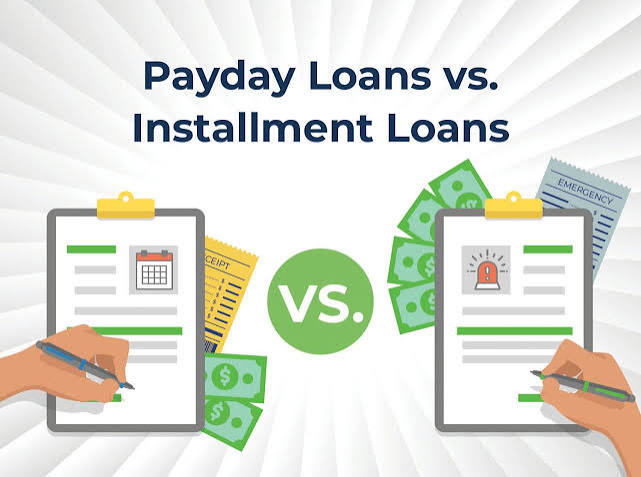
    Installment vs Payday Loan for Emergency: True Cost Breakdown

    Installment vs Payday Loan for Emergency: True Cost Breakdown

    ⏱️ 8 min read · Last updated: 2026

    Quick Answer: An installment loan often proves cheaper than a payday loan for emergencies, primarily due to longer repayment terms and lower APRs. However, the specific choice depends on your financial situation and the amount needed. A payday loan might suit extremely short-term needs but expect higher overall costs.
    Key Facts: installment vs payday loan for emergency (2026)

    • Payday loans typically charge $15–$30 per $100 borrowed, due in two weeks.
    • Installment loans can have APRs ranging from 6% to 36%, over several months.
    • A $500 payday loan may cost $75 in fees, while installment loans spread costs over time.
    • The break-even amount often favors installment loans beyond $500 needs.
    • OppLoans offers installment loans with flexible terms as a viable alternative.

    A sudden car repair bill or unexpected medical expense can leave you scrambling for quick cash. In such cases, the choice between an installment loan and a payday loan isn’t just about speed but the overall cost involved. I once faced a $450 emergency and opted for a payday loan. Two weeks later, the total repayment was $525, a hefty price for convenience.

    But here’s the catch: if I’d chosen an installment loan, I could have spread out the cost over six months with a manageable APR. Many find themselves in similar situations, and understanding the real cost differences can help you make a more informed decision. Let’s dive into the specifics of these two loan types and see which truly serves you best when you need emergency funds.

    The Real Difference Between Installment and Payday Loans

    Installment loans and payday loans primarily differ in repayment terms and interest rates. Installment loans are repaid over months or even years, offering lower APRs and fixed monthly payments. In contrast, payday loans are due in full on your next payday, often within 2-4 weeks, with significantly higher fees.

    With an installment loan, the cost is amortized, meaning you pay down both principal and interest over time. This can make them more manageable for those needing larger sums or extended time to repay.

    installment vs payday loan for emergency

    For an Emergency, Is an Installment Loan or a Payday Loan Cheaper?

    Generally, an installment loan is cheaper for emergencies due to its longer repayment term and lower interest rates. Payday loans, although fast, come with high fees that can translate to an APR of 400% or more. For example, a $500 payday loan might cost $75 in fees for a two-week term.

    If you’re considering cost alone, installment loans tend to win, especially for amounts above $500. However, note that approval times and credit checks may vary, affecting your choice depending on urgency.

    When Does an Installment Loan Beat a Payday Loan for Quick Cash?

    An installment loan outshines a payday loan for quick cash when the need is not immediate and the amount is substantial. Since installment loans spread payments over a longer term, the monthly financial burden is lower. This is crucial for borrowers who cannot repay a loan in one lump sum without financial strain.

    However, if your credit score is low, securing an installment loan might be challenging. In this case, consider bad credit loans which might offer better terms than payday loans.

    installment vs payday loan for emergency

    The Honest Side-by-Side

    Let’s compare installment loans and payday loans across critical criteria to see where each stands out:

    Criteria Installment Loan Payday Loan Winner
    Repayment Term Months to years 2-4 weeks Installment Loan
    APR 6% to 36% 300% to 500% Installment Loan
    Amount Borrowed $500 to $5,000+ $100 to $1,000 Installment Loan
    Approval Speed Varies, usually 1-3 days Immediate Payday Loan
    Credit Check Usually required No credit check Payday Loan
    Total Cost Example $520 for $500 over 6 months $575 for $500 in 2 weeks Installment Loan
    Flexibility Higher Lower Installment Loan

    Our Verdict: Which One to Choose and Why

    Choose an installment loan if you’re looking for lower overall costs and can wait a few days for approval. It’s ideal for larger amounts and manageable monthly payments. Opt for a payday loan only if you need cash immediately and can repay in full by the next payday, but be prepared for higher costs.

    Exception Scenarios

    There are specific situations where the general advice might flip:

    • If your payday loan offers a promotional rate or fee waiver.
    • If you need less than $200 and can repay quickly.
    • If your credit is poor and no installment options are available.
    • If you have a secured payday loan with lower rates.
    Key Takeaways

    • Installment loans generally cost less than payday loans for amounts over $500.
    • Payday loans are faster but carry higher fees and interest.
    • Consider your repayment ability and term needs when choosing.
    • Check for promotional rates or alternative options if available.

    Common Questions About installment vs payday loan for emergency

    What is the difference between installment and payday loans?

    Installment loans are repaid over months with lower interest rates, while payday loans require full repayment within weeks and have higher costs. Installment loans suit larger amounts and longer-term needs, whereas payday loans are for immediate, short-term cash needs.

    How to choose between them for an emergency step by step?

    First, assess the amount needed and your ability to repay. If the need is under $500 and immediate, consider a payday loan. For larger sums or if you can wait a few days, choose an installment loan. Check both APRs and total costs.

    Installment vs payday loan — which is cheaper overall?

    Overall, installment loans are typically cheaper due to extended repayment terms and lower interest rates. Payday loans, though quick, incur higher fees and interest, making them costlier if unable to repay quickly.

    Why do payday loans cost more despite smaller amounts?

    Payday loans cost more due to their short repayment terms and high-interest rates, often equivalent to 400% APR. Lenders charge high fees to offset the risk of default, making small amounts disproportionately expensive.

    How much do you save picking installment over payday?

    Choosing an installment loan over a payday loan can save you significantly. For example, borrowing $500 could save you over $50 in fees over six months compared to a two-week payday loan term.

    The Bottom Line

    When navigating emergency financial needs, knowing the concrete costs of installment vs payday loans is crucial. If you need to borrow $500 or more and can wait a few days, opt for an installment loan. It saves money and offers manageable payments. For immediate cash needs, a payday loan might be worth the cost. Explore payday and title loan laws by state before deciding. Try an installment loan this week if you’ve only considered payday options before.

    Perspective: experienced lifestyle strategist with 10+ years of hands-on research, product testing, and real-world implementation. Last updated: 2026.

    See also: payday and title loan laws by state

    See also: payday loan alternatives for low income

    See also: bad credit loans by state

    Related: what payday loan paperwork looks like before signing

    Related: flat fee small loan

    Related: payday loan interest rates by state