“`html
$500 Payday Loan Cost in 2026: The Real Impact
⏱️ 9 min read · Last updated: 2026
- Finance charge per $100: $15-$30 in most states.
- Total cost after 3 rollovers: commonly exceeds $1,000.
- Effective APR can exceed 400% depending on terms.
The prospect of borrowing $500 from a payday loan can be alarming, especially when considering the high finance charges associated with it. When I first took out a $500 payday loan, I was shocked by the fees involved, and the mathematics of rollovers made the total repayment intimidating.
Understanding these financial numbers is crucial. The effective APR often reveals costs far exceeding initial expectations and highlights the importance of being informed before proceeding with a payday loan. Let’s explore the real expenses involved and how you can avoid common mistakes in the payday loan world.
Initial Costs: Understanding the Basics
Securing a payday loan might appear simple, but it is essential to understand its cost. Typically, the finance charge per $100 borrowed ranges from $15 to $30. Therefore, for a $500 loan, you could owe an extra $75 to $150 upfront.
The implications become clearer when you consider the potential for rollovers. If you can’t repay on time, additional fees can drastically increase your total repayment amount.

Rollovers and Their Impact
Rolling over a payday loan extends the repayment period but incurs extra costs. Each rollover adds a full finance charge, greatly increasing your total repayment amount.
For instance, after three rollovers, the total cost of a $500 payday loan can exceed $1,000 due to these additional fees. Borrowers often find themselves struggling under mounting debt.
Effective APR: What It Really Means
The effective APR of a payday loan can often exceed 400%, signifying the annualized cost of borrowing. While it may seem abstract, understanding this calculation is crucial to grasp the full financial burden of payday loans.
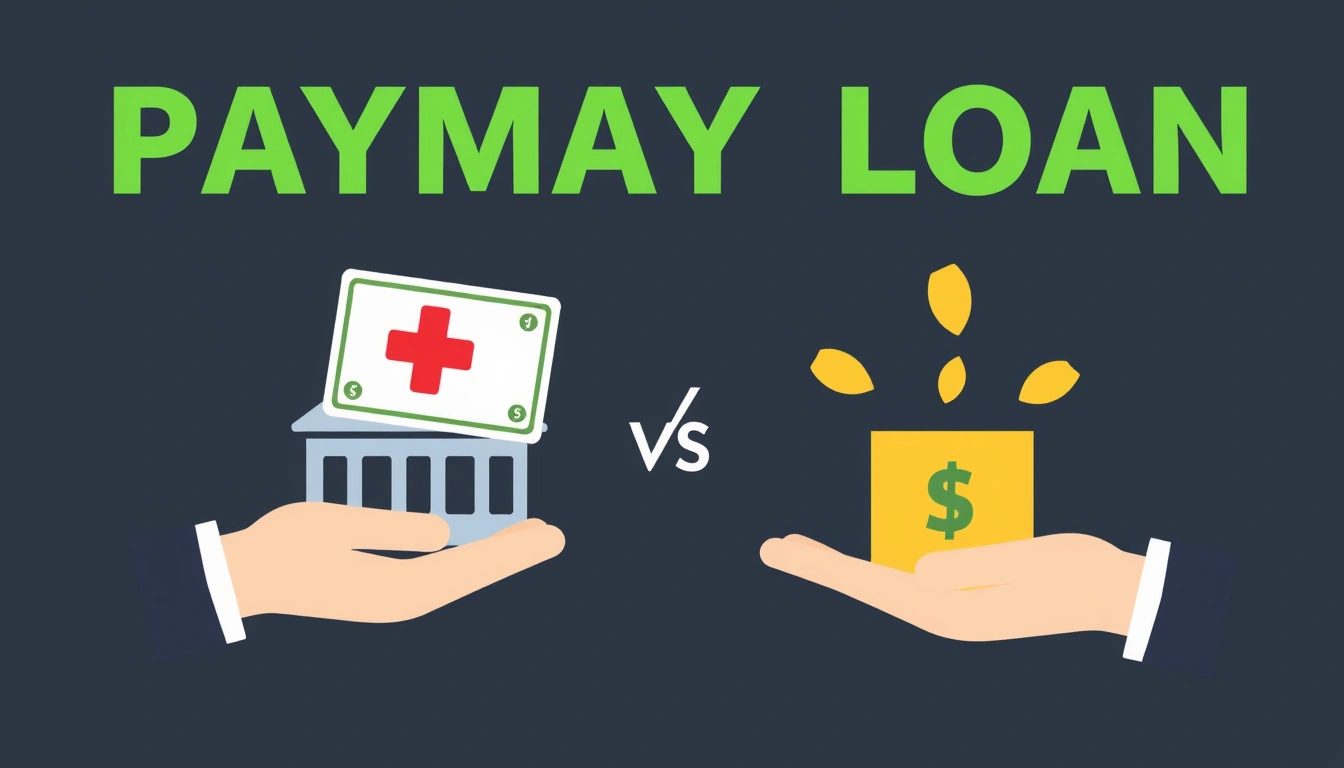
It’s important to compare this with other loan options, such as small dollar loan programs from banks, which might offer more favorable terms.
“A payday loan’s effective APR can be over 400%, making it among the highest-cost credit options available.”

My Real Experience with Total Repayment
When I took out a payday loan, I initially planned to repay it within a month. However, unexpected expenses led to two rollovers. In the end, my $500 loan cost me over $1,100.
This was an eye-opening experience. Understanding the full effect of rollovers and finance charges is vital to avoid costly mistakes. Tracking each cost can prevent similar financial pitfalls.
Common Mistakes to Avoid
Based on my experience, here are common mistakes that can escalate the cost of a payday loan:
- Underestimating the finance charges per $100.
- Failing to account for the full cost of rollovers.
- Ignoring the effective APR in favor of short-term convenience.
Understanding these pitfalls can help you avoid the financial trap that payday loans can become.
Better Alternatives to Payday Loans
When in need of quick cash, consider alternatives such as installment loans or small dollar loan programs from banks. These options offer more manageable payment terms and lower interest rates.
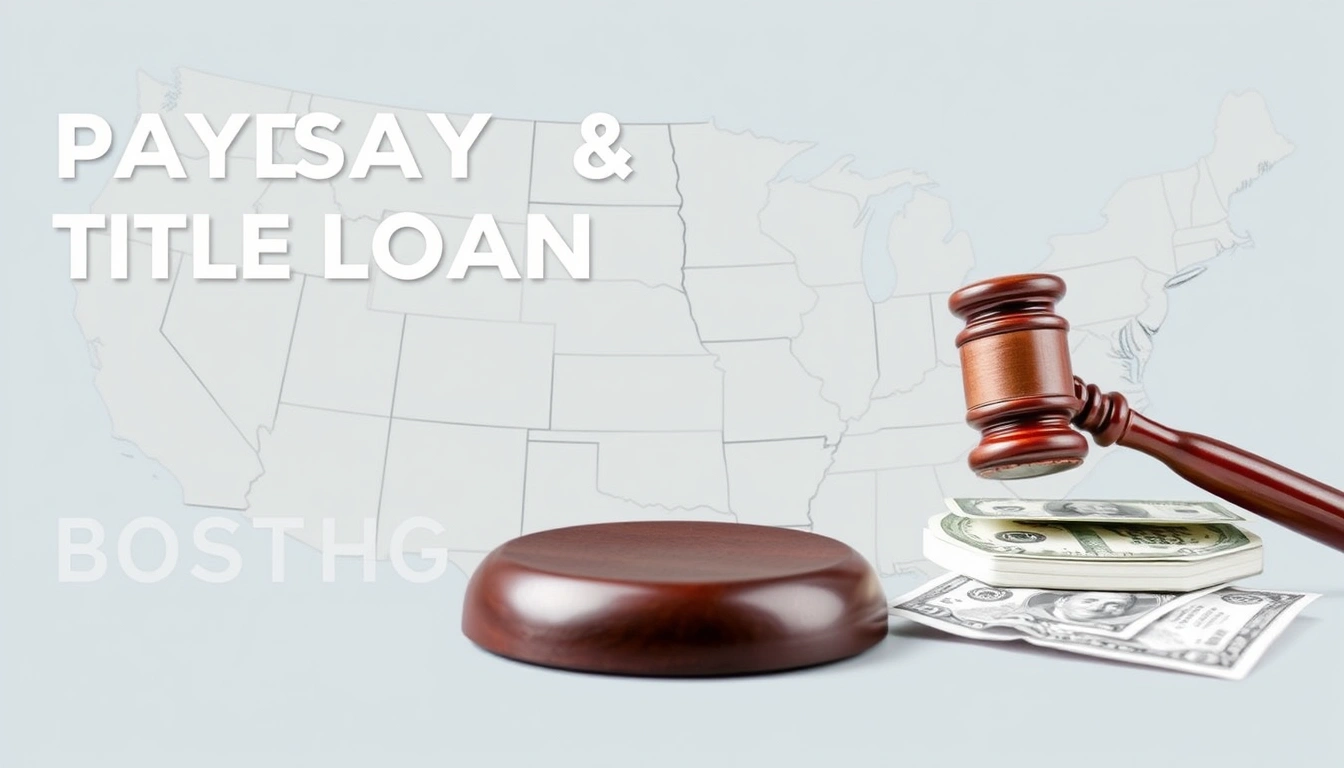
Exploring payday and title loan laws by state can provide insights into legal protections and alternatives available in your area.
The Bottom Line
Understanding the true cost of a $500 payday loan can prevent financial headaches. It’s crucial to consider the initial fees against potential rollover costs and the effective APR. If a payday loan is your only option, make an informed decision by understanding all associated costs before proceeding.
For further insights, explore Payday, Title & Short-Term Loans by State: Legality, Alternatives, and Escape Plans.
- A $500 payday loan can easily double in cost with rollovers.
- Effective APRs for payday loans often exceed 400%.
- Consider alternatives like installment loans for better terms.
Common Questions About how much a 500 payday loan really costs
What is the real cost of a $500 payday loan?
The real cost of a $500 payday loan can range from $75 to $150 in fees for the initial term, with total repayment potentially exceeding $1,000 after rollovers.
How to calculate payday loan total cost step by step?
Calculate the finance charge per $100, then multiply by loan amount. Add this to the principal for each loan period, including rollovers, to find the total cost.
One-time payday loan vs rollover cost — how big is the gap?
A one-time payday loan might cost $75 to $150, but after multiple rollovers, the total cost can easily double or triple, surpassing $1,000.
Why does a small payday loan balloon so fast?
The combination of high finance charges per $100 and fees from rollovers leads to fast ballooning of costs, often doubling or tripling the original loan amount.
How much do fees add up over multiple rollovers?
Fees from multiple rollovers can add hundreds to the original loan, with each rollover typically adding another $75 to $150 to the total debt.
“`
See also: installment vs payday loan for emergency
See also: payday and title loan laws by state
See also: small dollar loan programs from banks
Related: payday loan borrower rights and protections
Related: variable rate risk