“`html
Personal Loan APR Caps by State: Find Legal Rates (2026)
⏱️ 8 min read · Last updated: 2026
- California caps personal loan APRs at 10% for loans under $2,500.
- Texas allows up to 30% APR for small consumer loans.
- The Military Lending Act limits APR to 36% for active-duty members and their dependents.
- As of 2026, 6 states have no APR cap on personal loans.
- State usury laws can vary significantly; always verify with your state’s Department of Financial Institutions (DFI).
When you’re scouring for a personal loan, understanding your state’s APR cap can mean the difference between a fair rate and financial strain. In 2026, the landscape of personal loan APR caps by state is as varied as the states themselves. Some states enforce stringent caps to protect consumers, while others offer lenders more leeway. Knowing where your state stands can empower you to make better borrowing decisions.
A 5% difference in APR can cost you hundreds over the life of a loan. This potential difference makes it crucial to understand your state’s laws and navigate the borrowing process carefully.
What is the Maximum Legal Interest Rate a Lender Can Charge in My State?
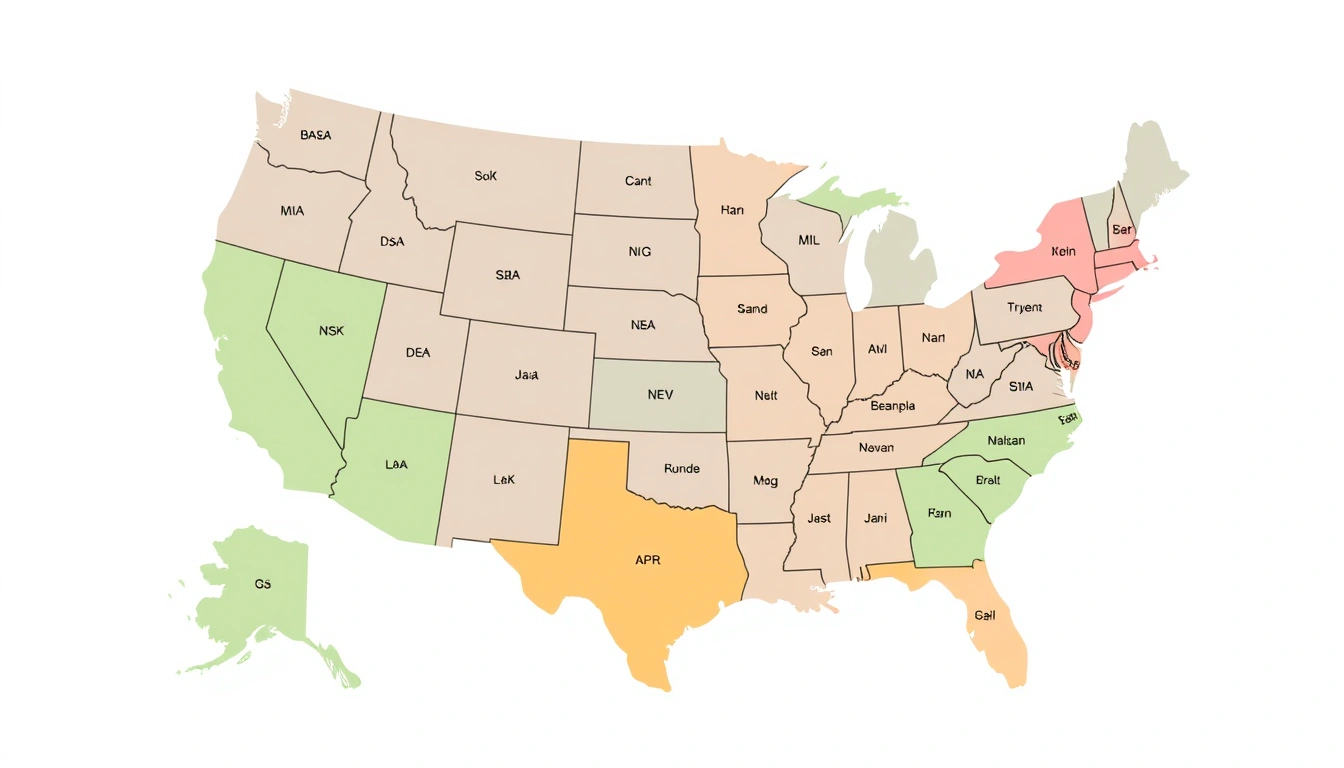
In 2026, the maximum legal interest rate for personal loans varies widely across states. For instance, New York has a stringent cap of 16% on personal loans, safeguarding consumers against excessive charges. Meanwhile, states like Nevada and South Dakota have no capped APR, meaning lenders can set higher rates if they choose. Always verify with your state’s Department of Financial Institutions for the most current limits.
New York caps personal loan APRs at 16%, providing one of the strictest consumer protections in the country.
Knowing your state-specific cap is crucial, especially if you’re dealing with bad credit loans where rates can already be higher.
Which States Have No Cap on Personal Loan Interest Rates?
As of 2026, there are six states with no cap on personal loan interest rates: Nevada, South Dakota, Utah, Delaware, Idaho, and Wisconsin. These states allow lenders to set interest rates freely, which can lead to rates above 50% in some instances. If you reside in one of these states, it’s essential to shop around and negotiate with lenders.
Understanding State Usury Laws vs No-Cap States
State usury laws are designed to protect consumers from predatory lending by capping interest rates. In no-cap states, lenders have more flexibility, which can be both a blessing and a curse. While consumers may find competitive offers due to increased lender options, they also risk encountering exorbitant rates.
| Criteria | Usury Law States | No-Cap States | Winner for Consumers |
|---|---|---|---|
| Consumer Protection | High | Low | Usury Law States |
| Potential for Competitive Rates | Moderate | High | No-Cap States |
| Risk of High Rates | Low | High | Usury Law States |
| Borrower Flexibility | Low | High | No-Cap States |
| Ease of Regulation | High | Low | Usury Law States |
Ultimately, if you prefer security and predictability, states with usury laws are your best bet. However, if you are adept at negotiating and comparing offers, no-cap states could work to your advantage. For a more detailed understanding, see our guide on How Usury Laws Impact Loan Terms.
How the Military Lending Act 36% Cap Works
The Military Lending Act enforces a 36% cap on APR for active-duty service members and their dependents. This includes all fees and costs associated with the loan. This act is invaluable for military families, ensuring they are not taken advantage of financially while serving.
The Military Lending Act caps APR at 36% for military personnel, including all fees.
If you’re in the military, this cap can provide significant savings and peace of mind. For more on how these protections apply, refer to your military financial advisor or local military legal assistance office.
How to Check Your State’s Legal Rate Limit
To check your state’s legal rate limit, consult the state DFI or a local attorney specializing in financial law. This ensures you’re equipped with the most current data to avoid any surprises when applying for loans.
Staying informed is key to navigating the complexities of personal loans effectively, especially in the evolving financial landscape of 2026.
The True Cost of a $2000 Loan in 2026
The cost of a $2000 loan in 2026 can vary significantly depending on your state’s APR cap. In states with a 10% cap, you might pay approximately $200 in interest annually. In no-cap states, this could rise to over $500, depending on lender rates. Consulting a financial advisor can help you fully understand the costs involved.
A $2000 loan at a 10% APR costs about $200 annually in interest — verifying your state’s cap is crucial.
Before you sign on the dotted line, explore all the terms carefully to ensure the loan aligns with your financial goals. For a practical guide, visit Saving with Lower APRs.
- Personal loan APR caps differ greatly by state, impacting your borrowing costs.
- Six states have no APR cap, leading to potentially higher rates.
- The Military Lending Act provides crucial protection with a 36% cap for military personnel.
- Checking state DFI resources ensures you’re informed of local rate limits.
Common Questions About personal loan APR caps by state
What is a usury law and how does it protect borrowers?
Usury laws set maximum interest rates that lenders can charge, protecting borrowers from excessively high rates. These laws vary by state, ensuring local consumer protections against financial exploitation.
How to check the legal loan rate limit in my state?
To find your state’s legal loan rate limit, visit your state’s Department of Financial Institutions website or consult a local financial attorney. This ensures you’re viewing the most up-to-date legal limits.
Capped state vs no-cap state — where are loans cheaper?
Loans are generally cheaper in capped states due to regulated interest rates. No-cap states may offer competitive rates but often at a higher risk of increased costs.
Why is my loan APR higher than my state cap allows?
If your APR exceeds the state cap, it might include fees not subject to the cap or be miscalculated. Review your loan agreement closely and consult your state’s DFI if discrepancies arise.
How much can lenders legally charge on a $2000 loan in 2026?
The charge depends on your state’s APR cap. For example, a 10% cap results in $200 annual interest, while no-cap states could see rates significantly higher. Always verify your state’s legal limits.
The Bottom Line
Understanding personal loan APR caps by state is essential for making informed borrowing decisions. If you live in a capped state, you can expect more predictable costs, while no-cap states require diligent comparison shopping. Start by checking your state’s rate limits and consult resources like the Personal & Bad-Credit Loans by State: Real Costs, Legality, and Local Options for a more comprehensive understanding.
“`
See also: bad credit loans by state
See also: bad credit personal loan approval odds by state
See also: personal loan documents needed to apply
Related: installment loan requirements for low income
Related: when not to take a high interest personal loan
Related: same day emergency loan options in my city